Managing Data Engineering Consultants Across 4 Time Zones: What Actually Worked

Strategies to management without real-time communication
Strategies to management without real-time communication

When I took on managing a distributed team of 6 consultants across 4 time zones, I quickly realized the traditional management playbook wouldn’t work. No amount of daily standups would solve the fundamental challenge: we couldn’t rely on real-time communication.

Success came down to one thing: the team needed to be independent enough not to require constant hand-holding.

Remote-First, Not Remote-Friendly

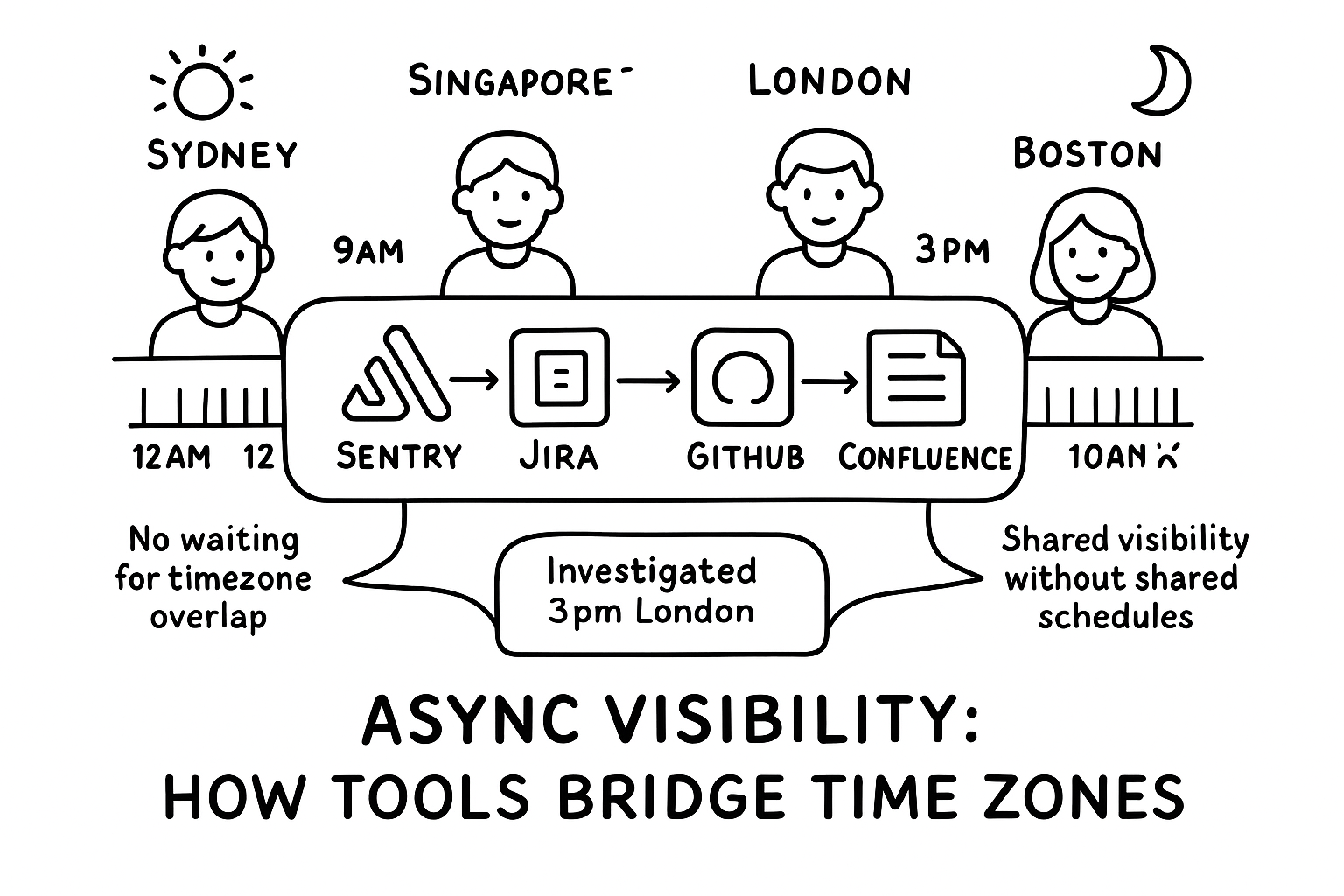
I built the team around async-first communication. Yes, I was always available for meetings, but we defaulted to asynchronous methods:

  • Jira for task tracking and context
  • Confluence for decisions and architecture docs
  • GitHub for code reviews and technical discussions

This wasn’t about avoiding meetings - it was about respecting that someone in Bangkok shouldn’t have to wait until Boston wakes up to unblock their work.

The “1 hour Rule” 🕐

Here is a good rule of thumb: if you’re stuck on a problem for about an hour, reach out for help. There are no laurels for spending days wrestling with an issue alone. The goal wasn’t to eliminate struggle - it was to prevent the kind of invisible blocking that kills distributed team productivity.

The Smart “Buy” Decision

One of the best investments we made was implementing Sentry for error tracking. When our data pipelines threw errors, they sent detailed information to Sentry’s dashboard automatically.

This meant team members across time zones could:

  • Check on issues asynchronously
  • See error patterns without digging through logs
  • Understand context before reaching out for help

It was a perfect example of “build vs buy” done right - we bought the infrastructure for distributed awareness so we could focus on building what mattered.

What Made It Work

The distributed setup succeeded because we optimized for independence:

  • Comprehensive documentation that answered the “why” not just the “what”
  • Clear ownership boundaries so people knew when to make decisions vs escalate
  • Tooling that created shared visibility without requiring shared schedules
  • A culture that valued asking for help as much as figuring things out

Managing distributed teams isn’t about controlling what happens across time zones. It’s about creating systems where talented people can do their best work independently, while still feeling connected to the team’s goals.

What challenges have you faced managing distributed data engineering teams? What tools or practices made the biggest difference?

Back to Blog

Related Posts

View All Posts »
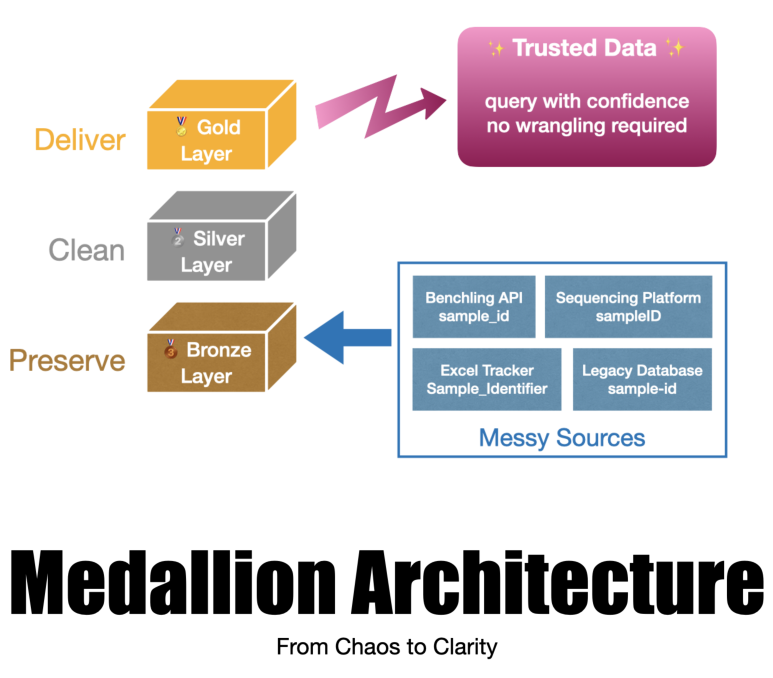
Medallion Architecture diagram showing data refinement progression: Bronze layer (raw, messy), Silver layer (clean, standardized), Gold layer (trusted, query-ready)

Multi-Source Data Integration

From chaos to clarity: How the medallion architecture transforms messy, multi-source data into trustworthy insights.