
No One Owns My Calendar (Mostly)
A reflection on co-founding a biotech consultancy one year in
Enjoy news, tutorials, resources and other interesting content related to bioinformatics
Short, punchy perspectives on bioinformatics news and ideas.
In-depth explorations of complex topics in computational biology.
Step-by-step guides to build your bioinformatics skills.
Conversations with leaders and innovators in the field.
Showing of 69 posts
A reflection on co-founding a biotech consultancy one year in

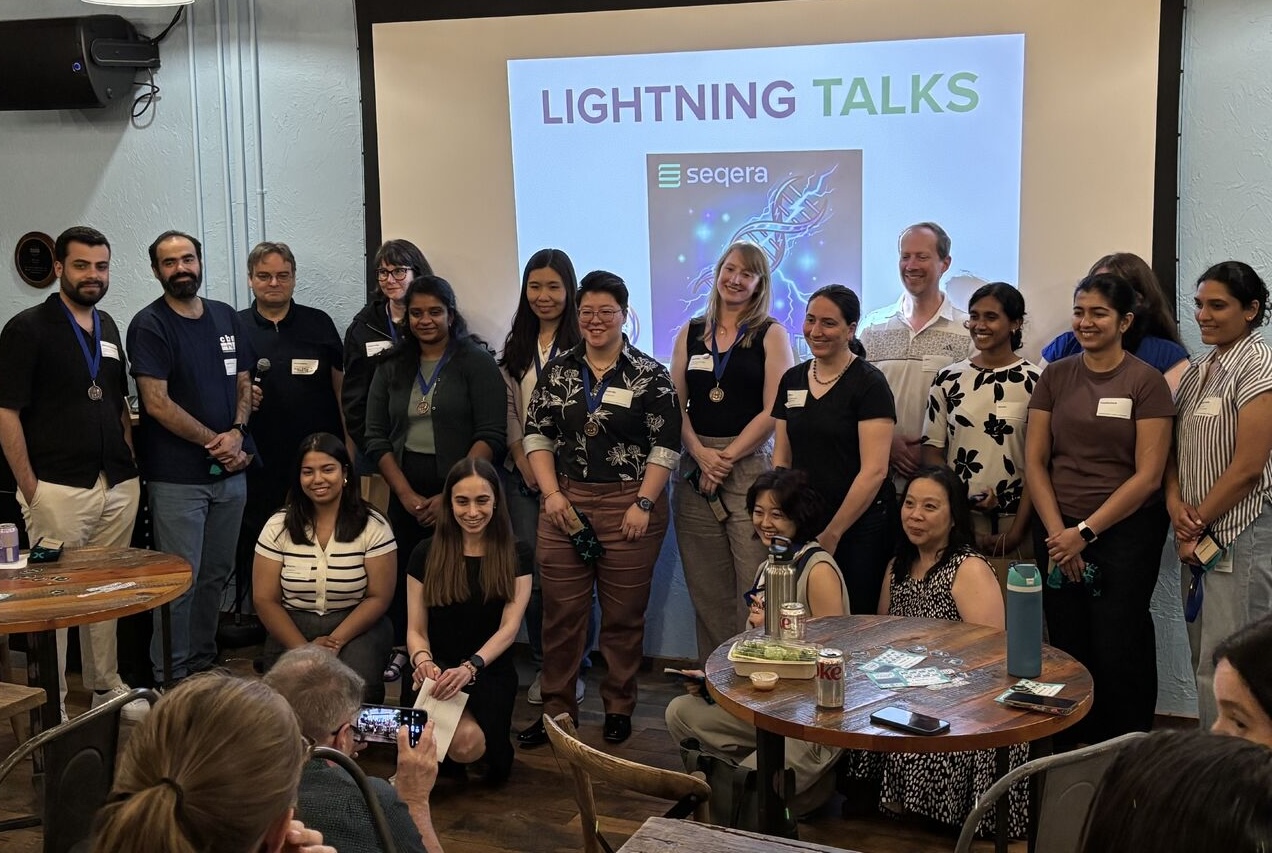
A reflection on the BWIB x BCBB Lightning Talks, sponsored by Seqera and hosted at the Cambridge Innovation Center.

A wrap-up of the series and a checklist before you start your analysis

Finding Her Voice, One Pipeline at a Time
An interview on methylation, mentorship, and movies
Navigating All of Us genotype data for variant extraction and analysis
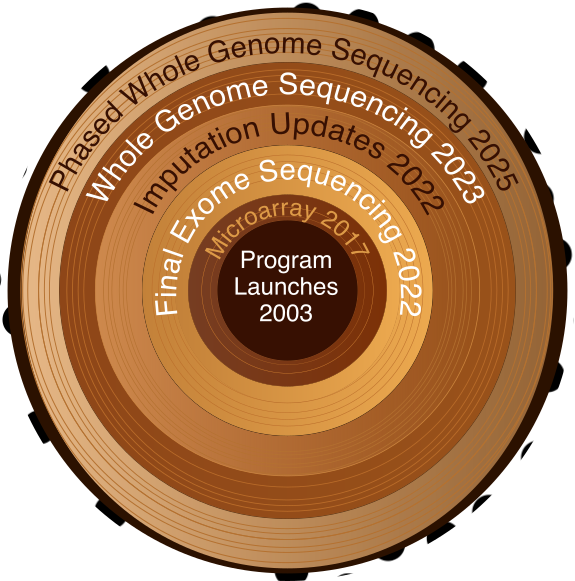
Traversing genetic data on the UK Biobank RAP (Research Analysis Platform) environment
A Poem on Whole Genome Sequencing Analysis
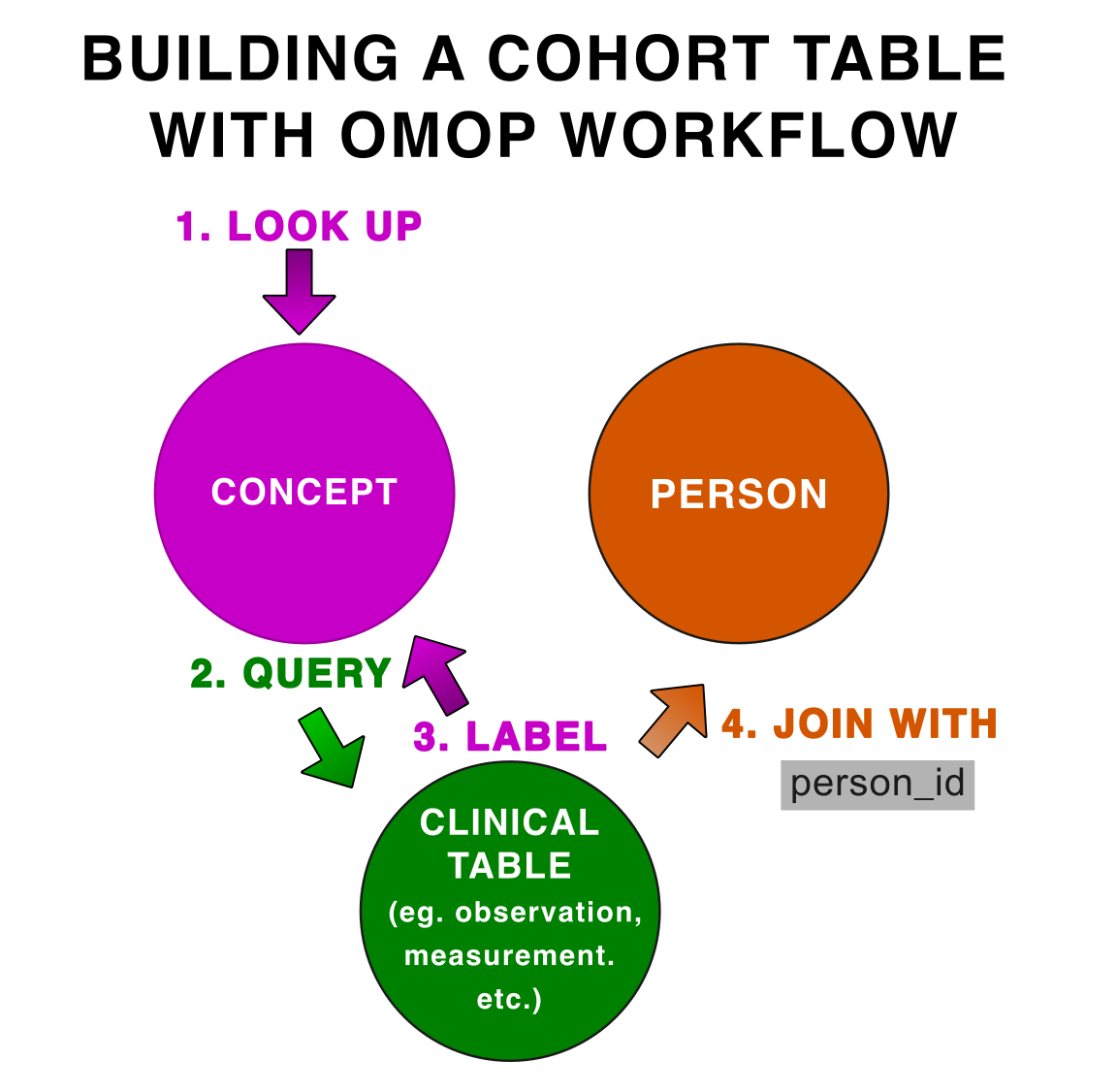
Loading observational data in the All of Us Researcher Workbench
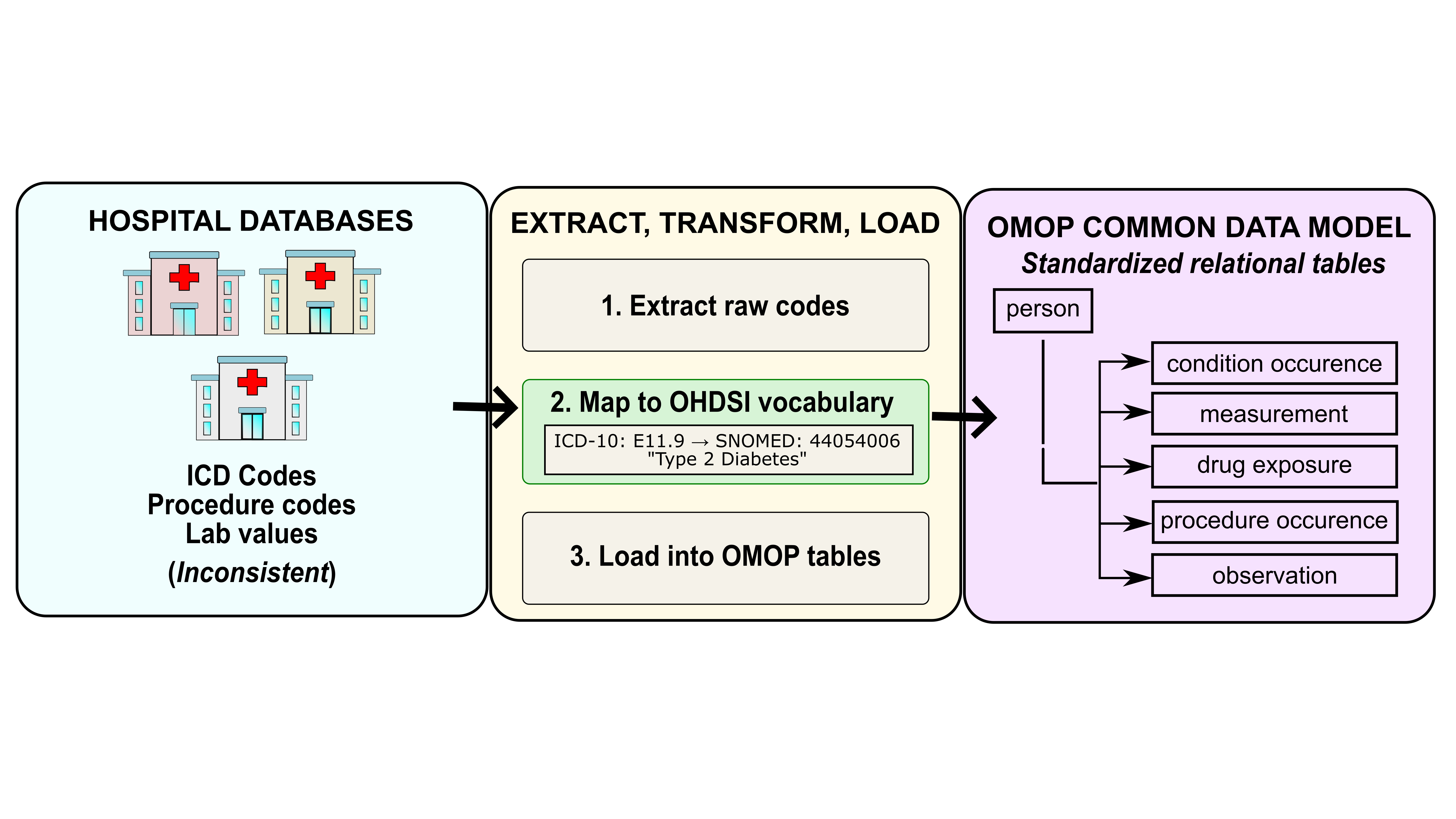
Finding concept IDs for the All of Us Researcher Workbench
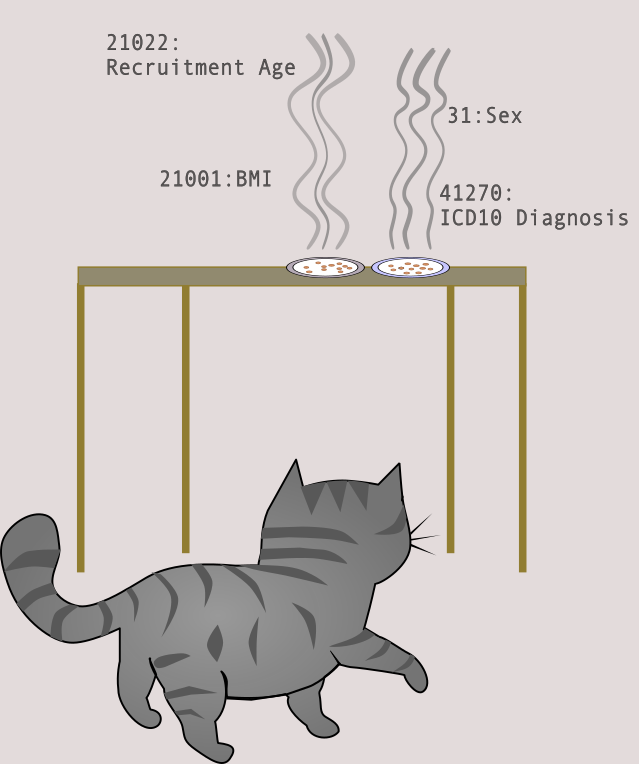
Loading phenotype data in the UK Biobank RAP (Research Analysis Platform) environment
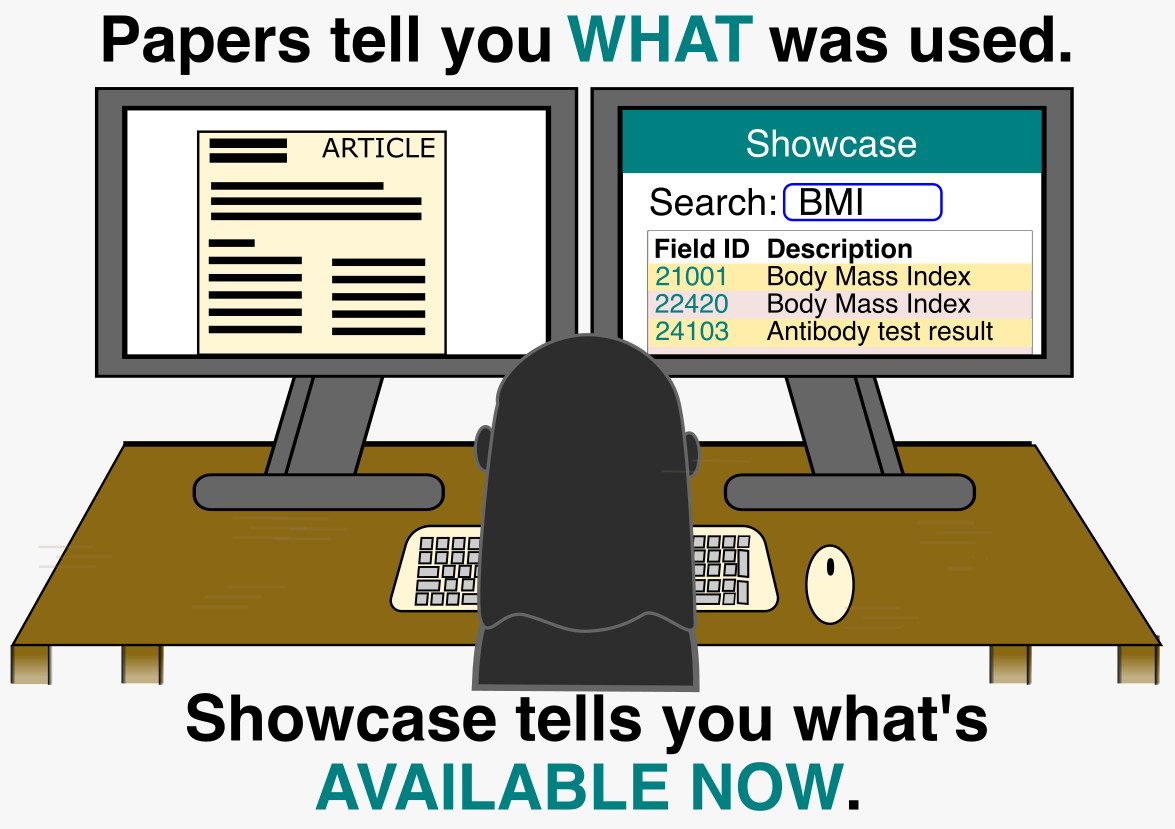
An ode to the UK Biobank Showcase
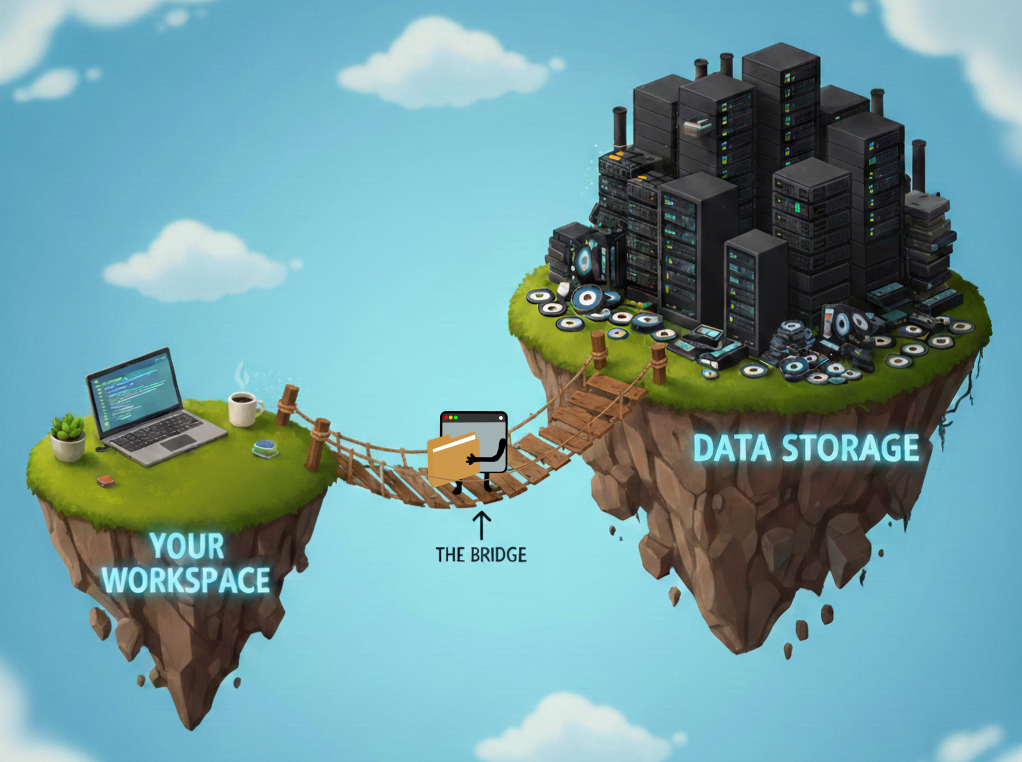
Hardware setup lessons for UK Biobank Research Analysis Platform and All of Us Workbench
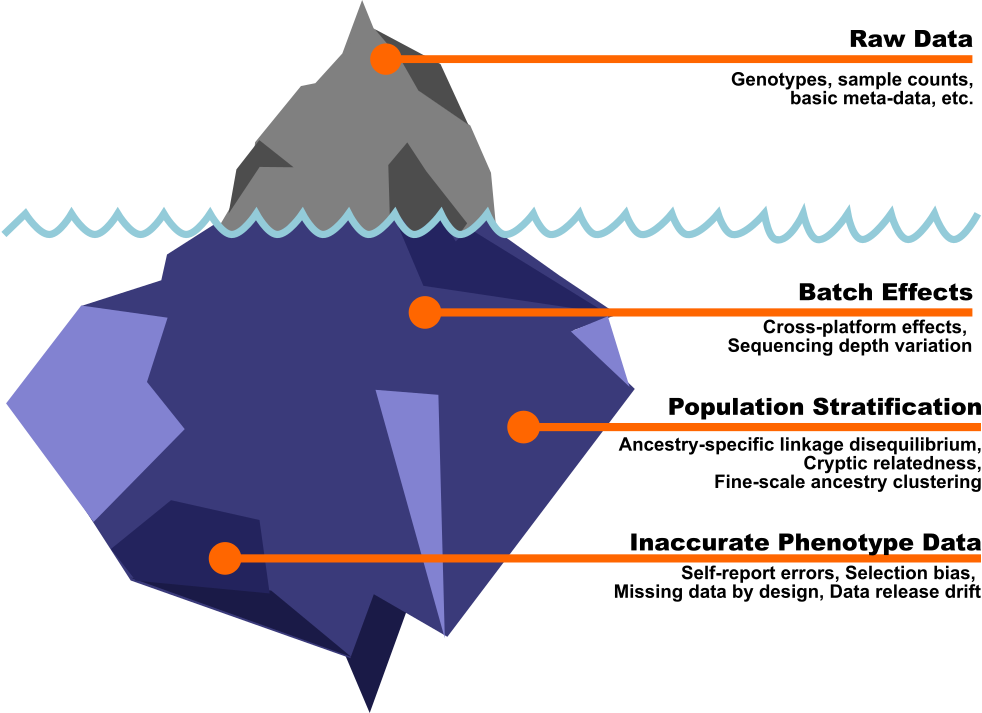
How to do biobank analysis without losing your mind
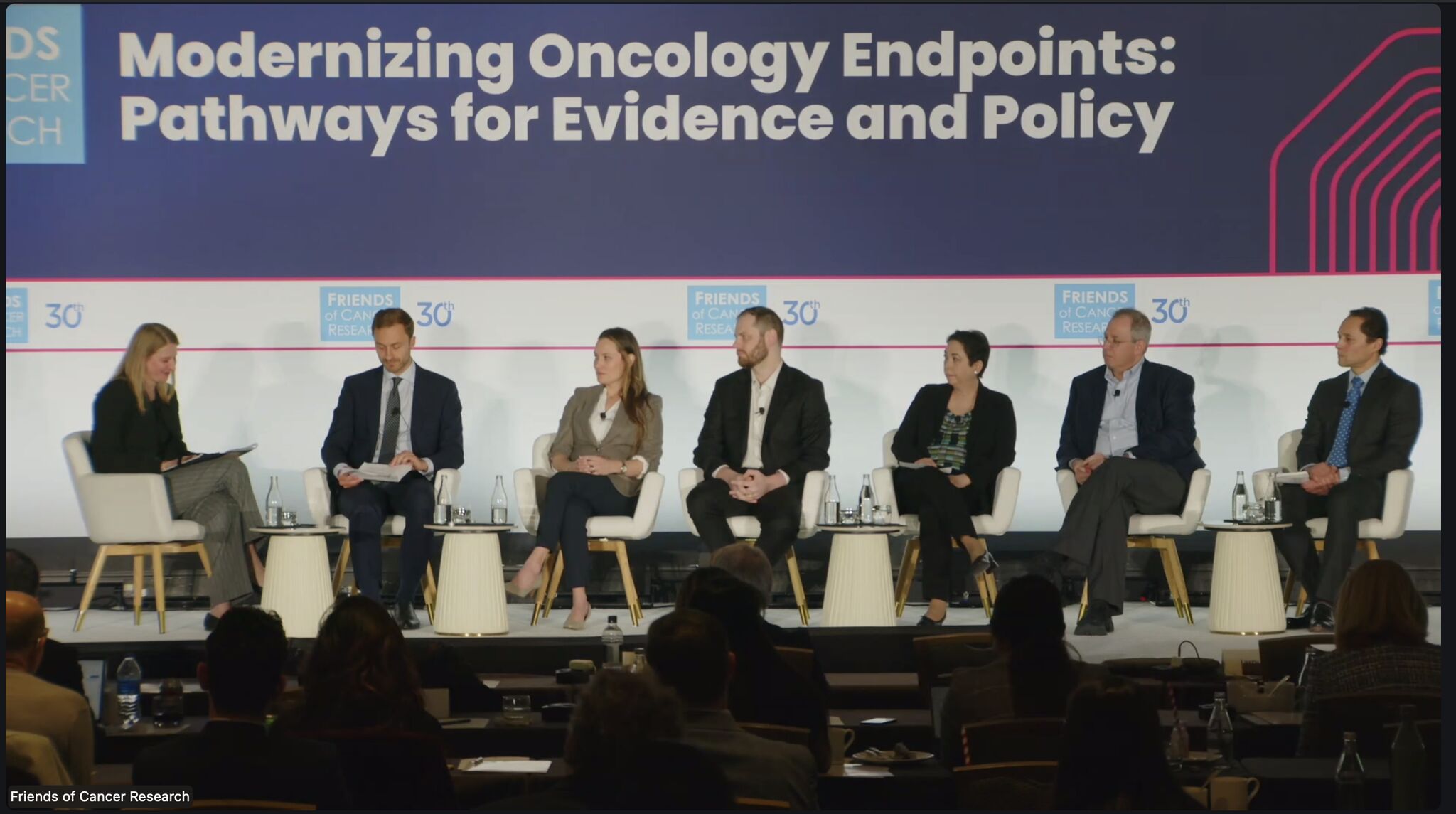
Takeaways from the FoCR symposium
Reflections on a seminar exploring how AI and brain network analysis can transform patient care
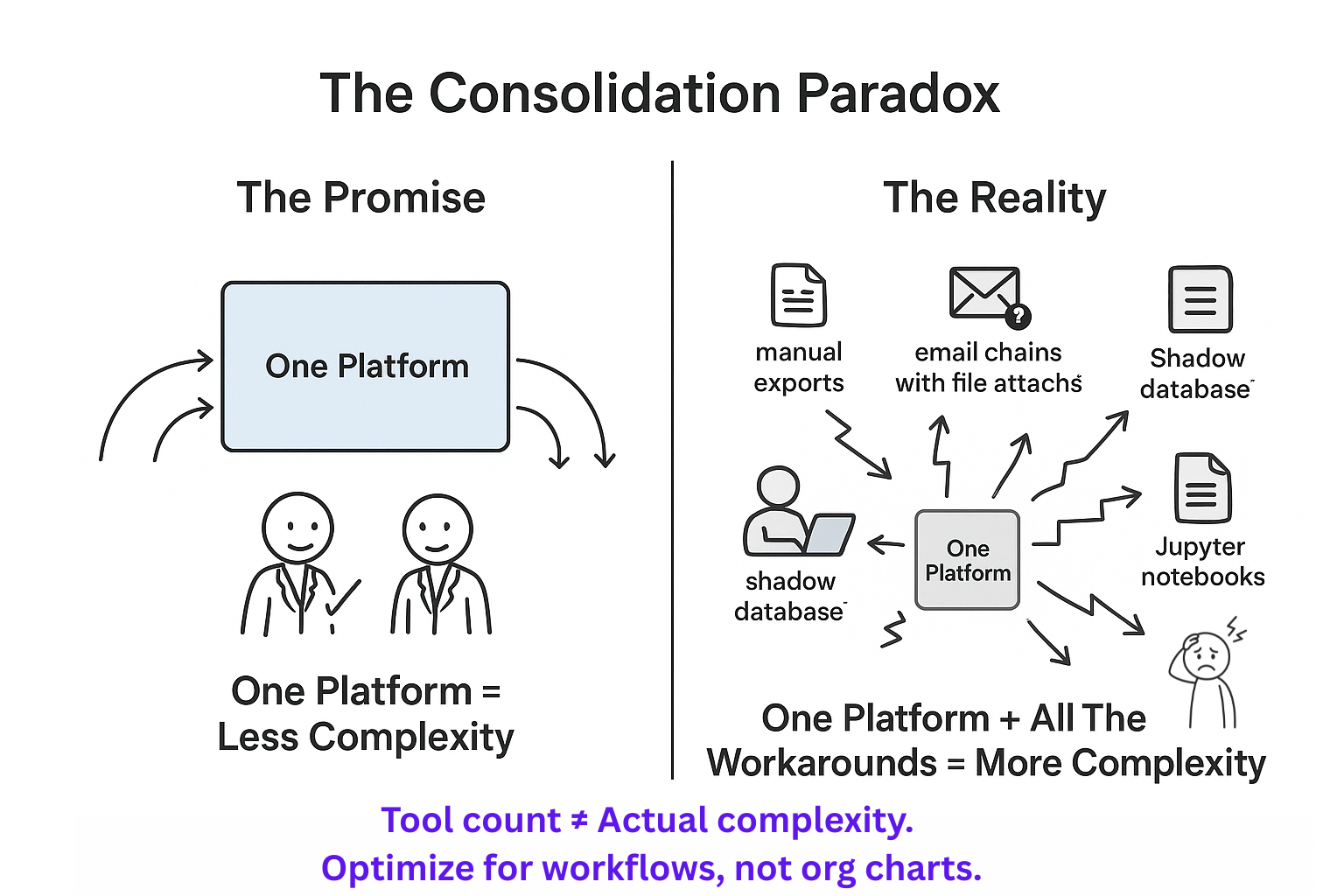
Why Fewer Tools Often Means More Complexity
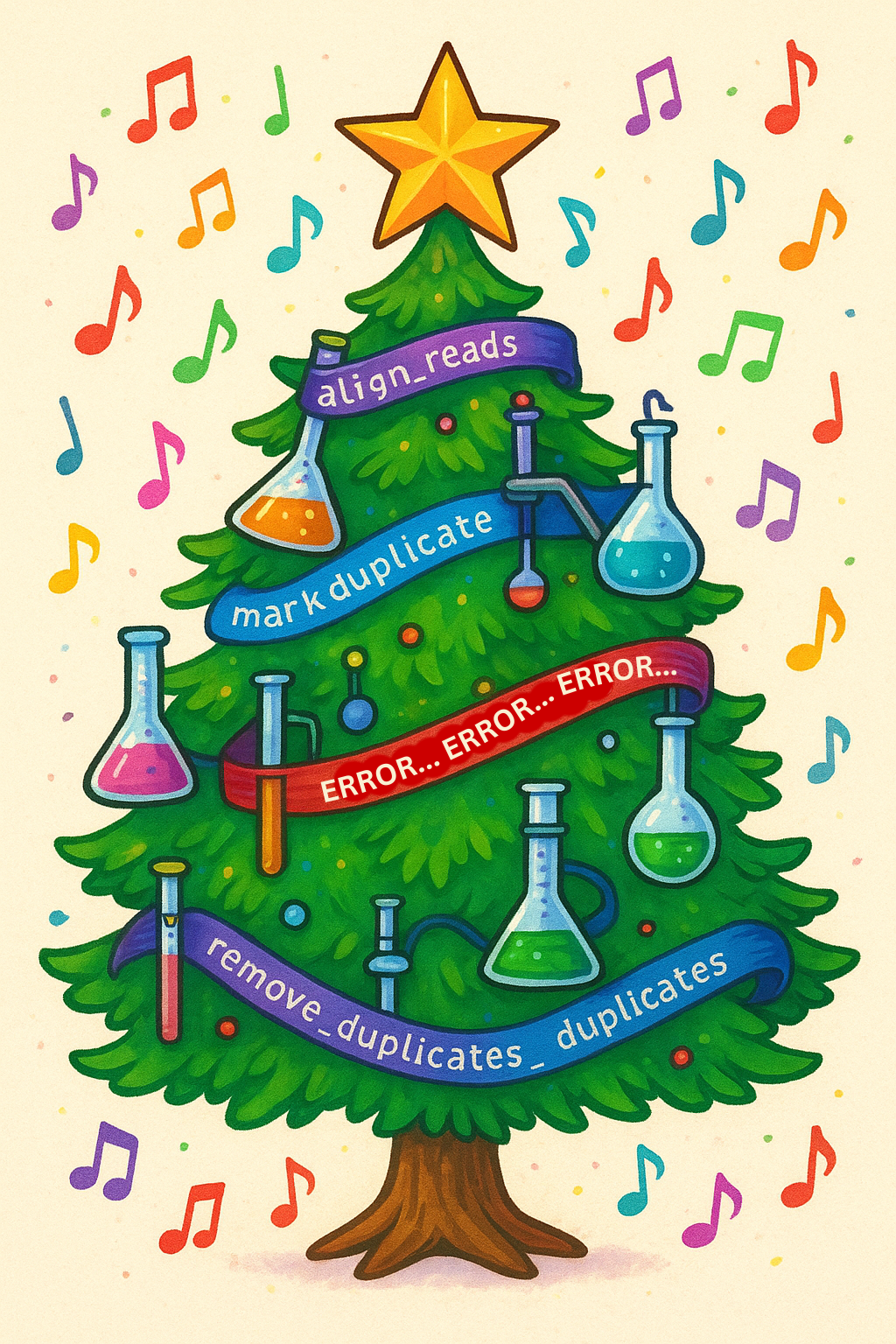
A festive tune of crashed jobs caroling in the key of why.
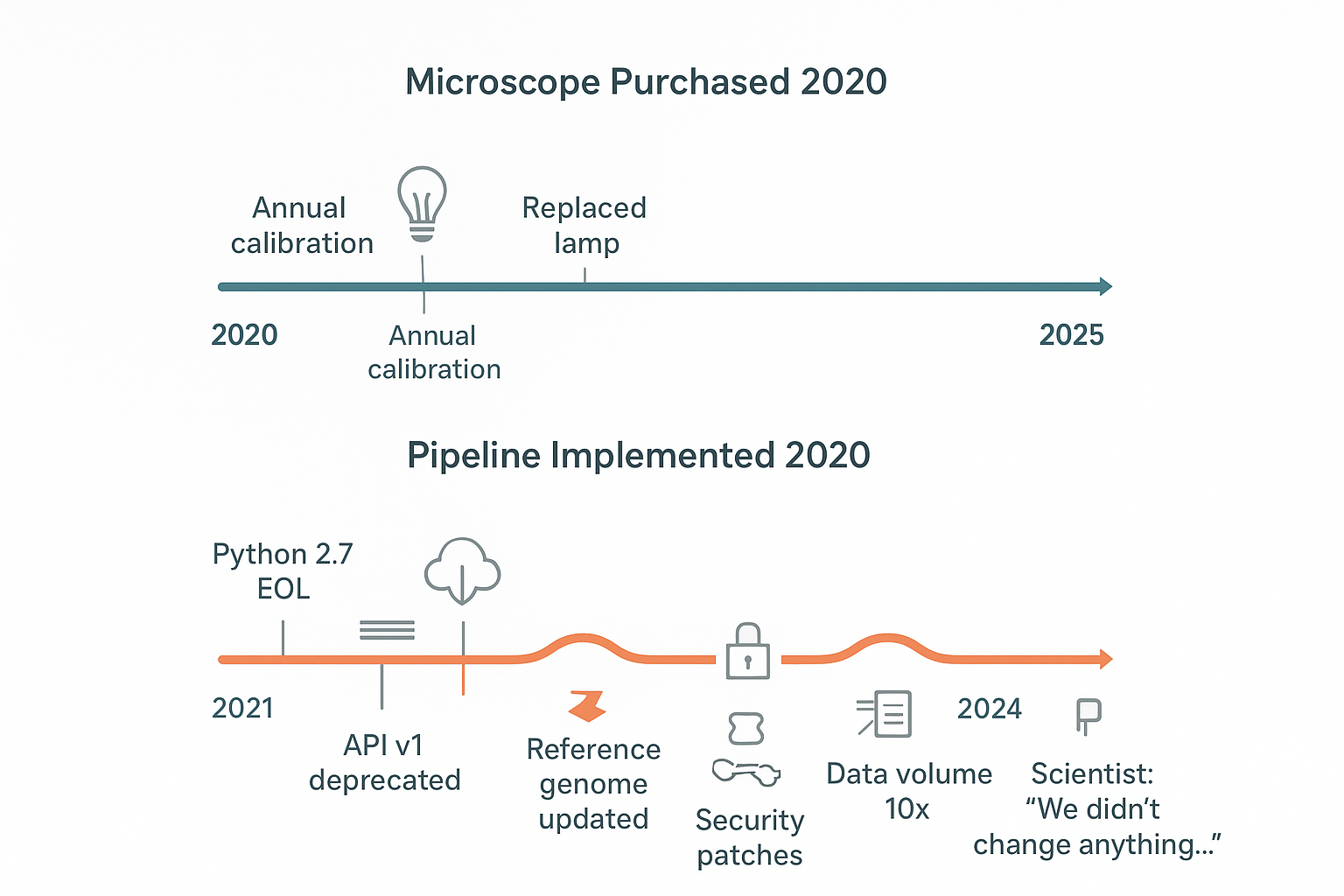
Why Your Data Tools Need Maintenance (And What That Really Means)
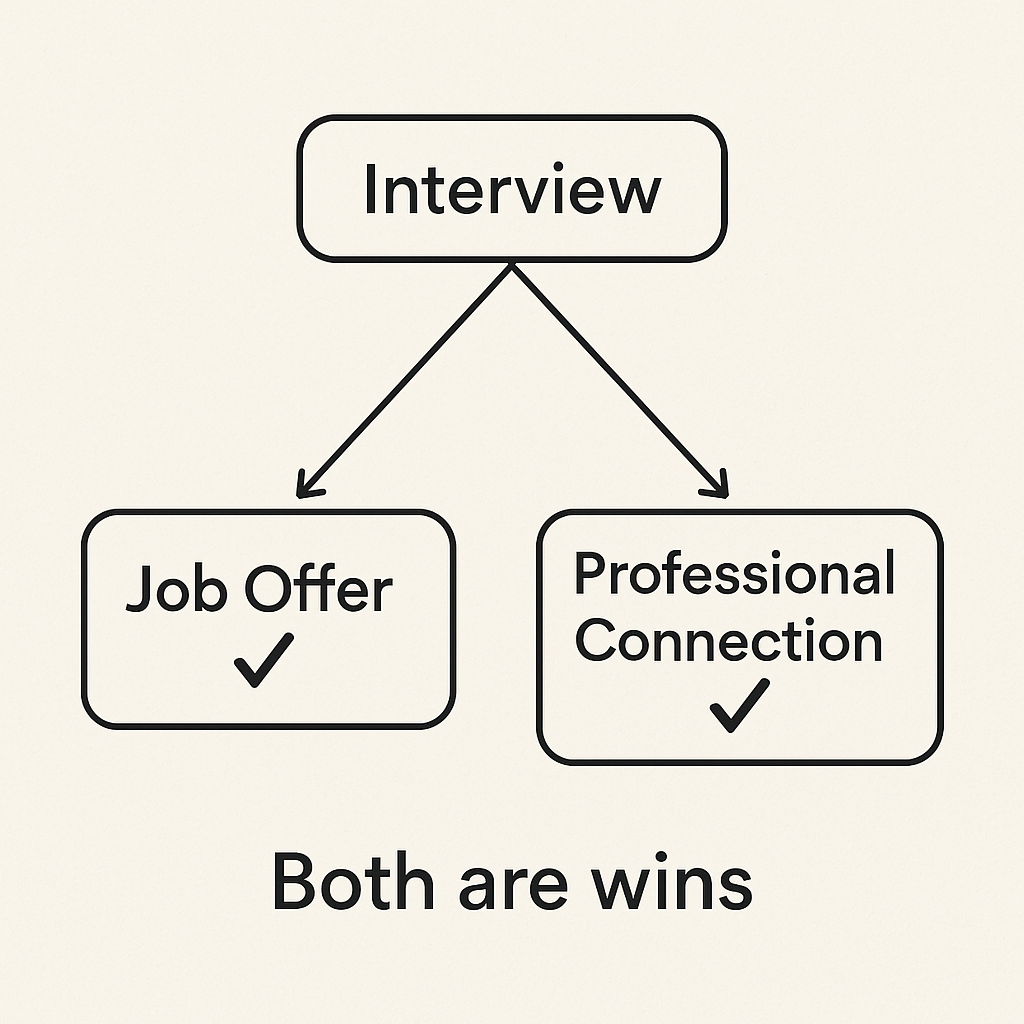
The real win in interviewing is the network you grow along the way.
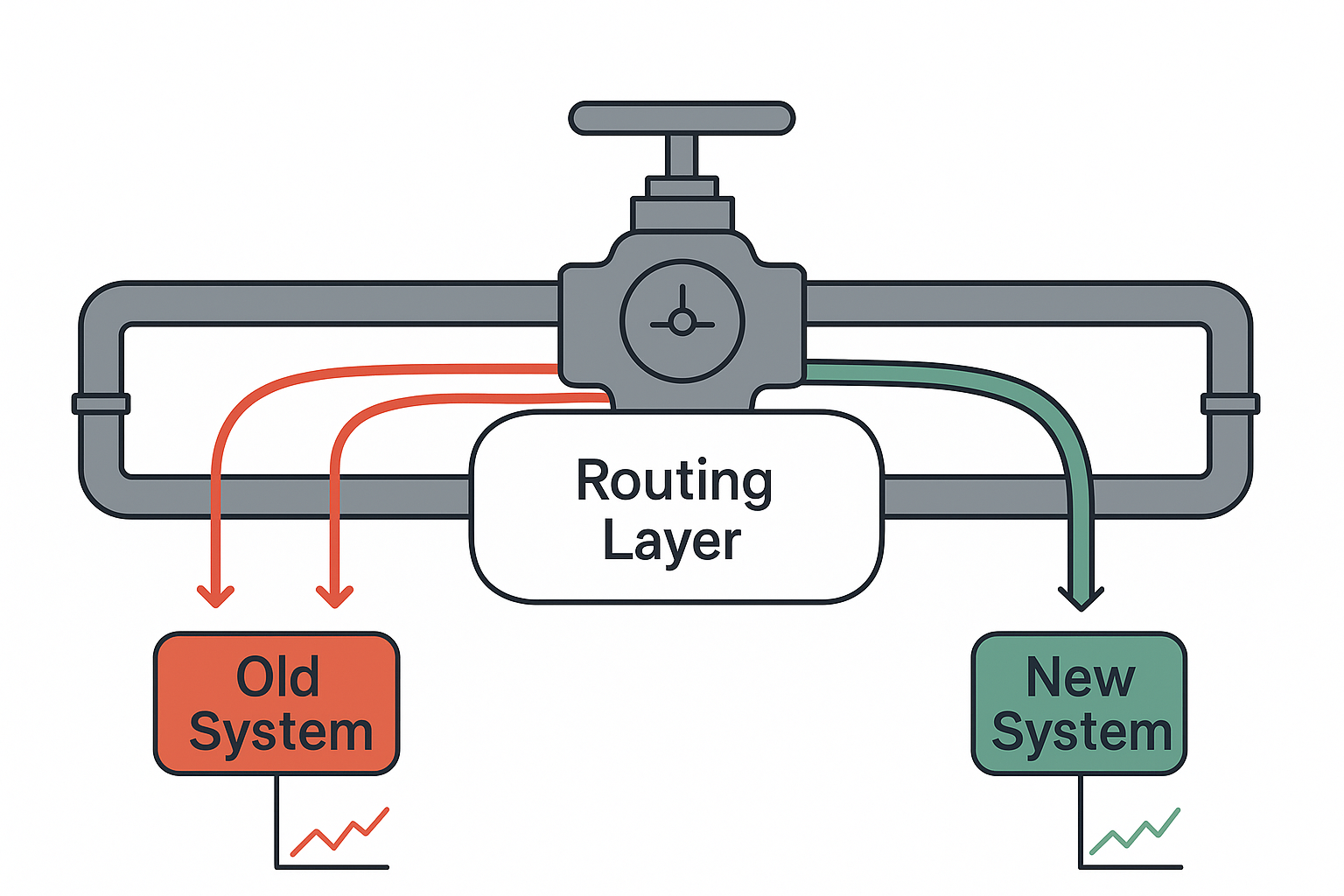
How to Rebuild the Plane While Flying It

"Been There, Done That" advice from established chapters
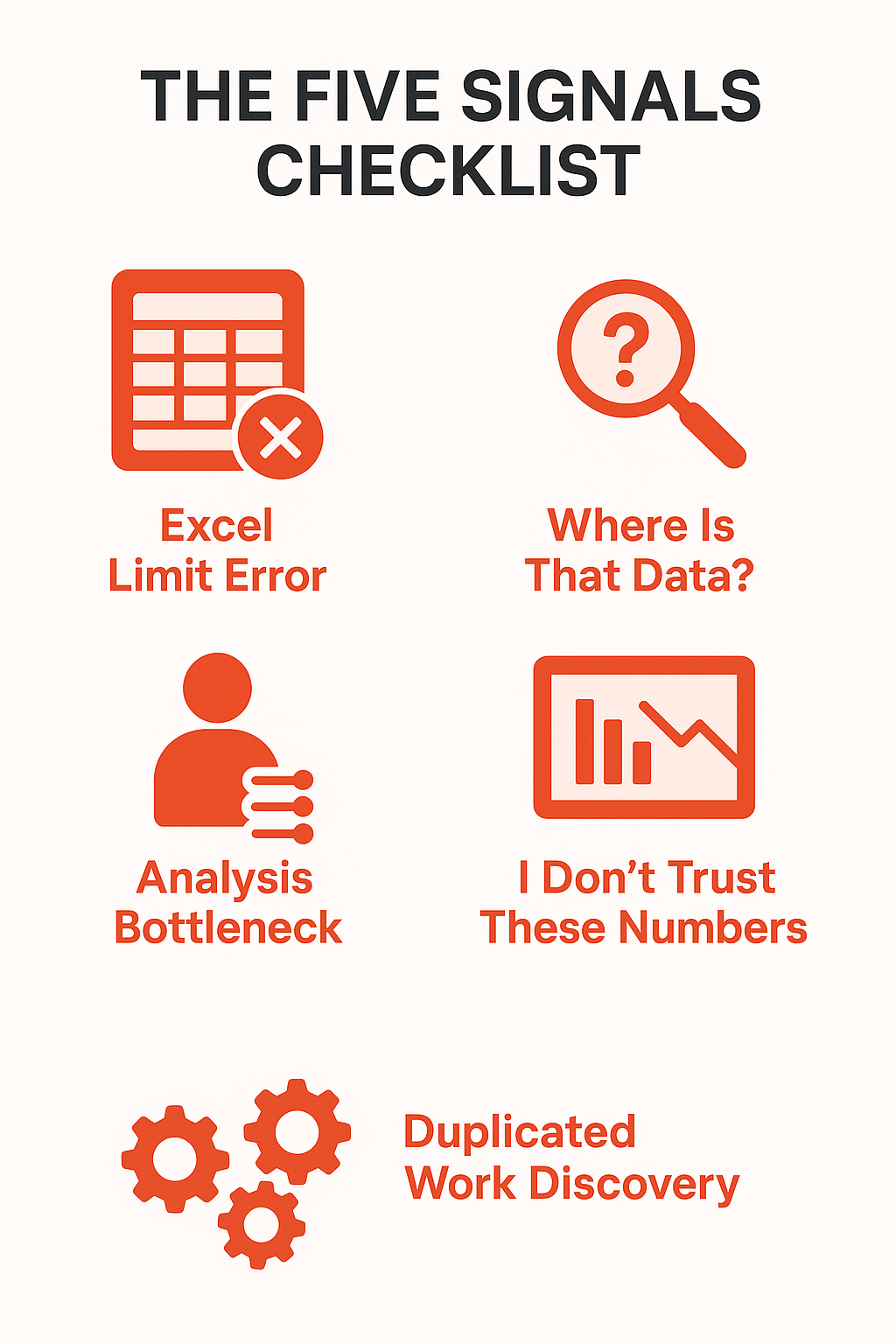
A gentle guide for realizing when it's time to call in the data experts and which one you actually need.
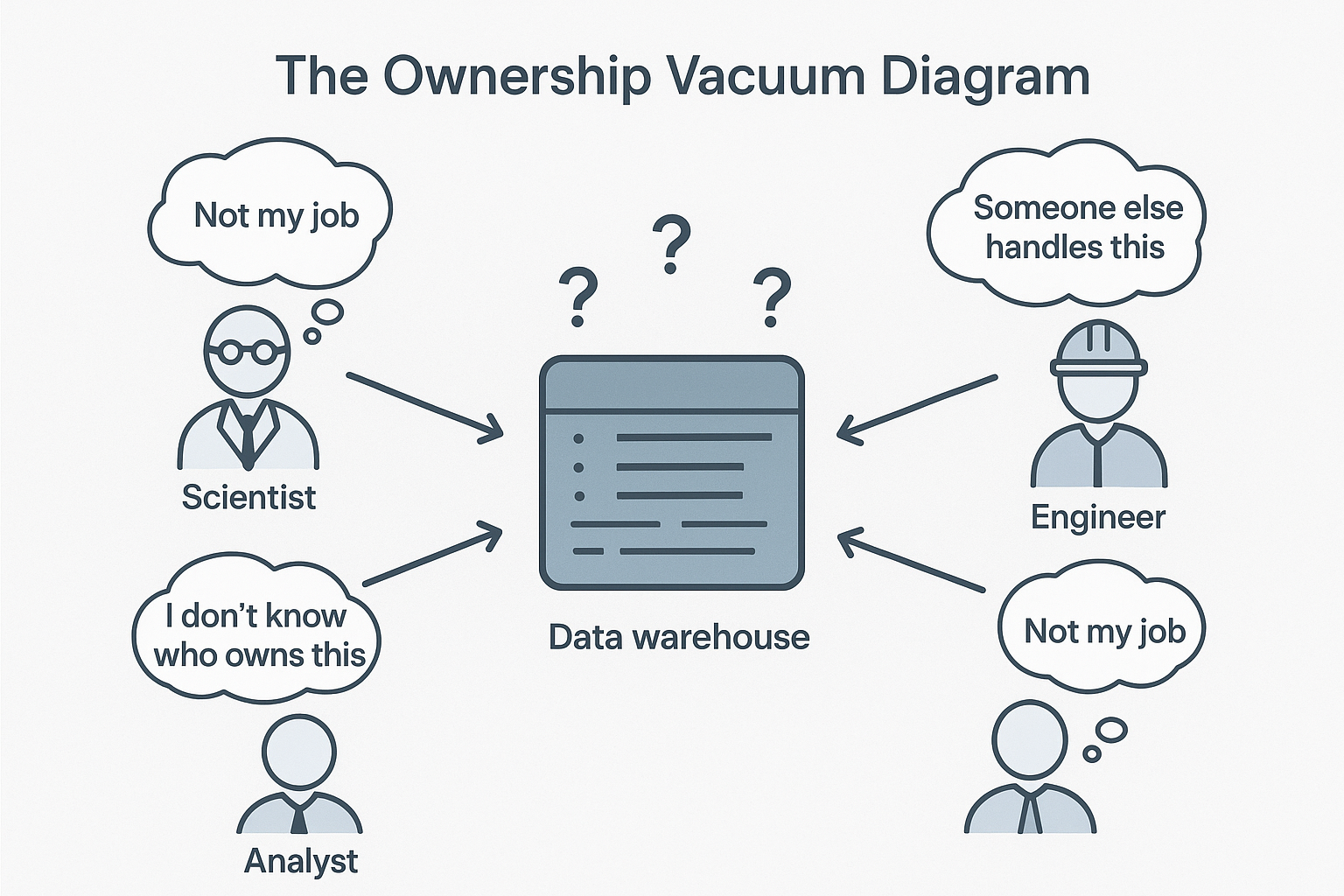
A data warehouse only works when someone truly stewards it, or it quickly becomes a bottleneck.
This season, the polar plunge in cross‑functional communication isn’t just survivable, it’s a chance to thrive.
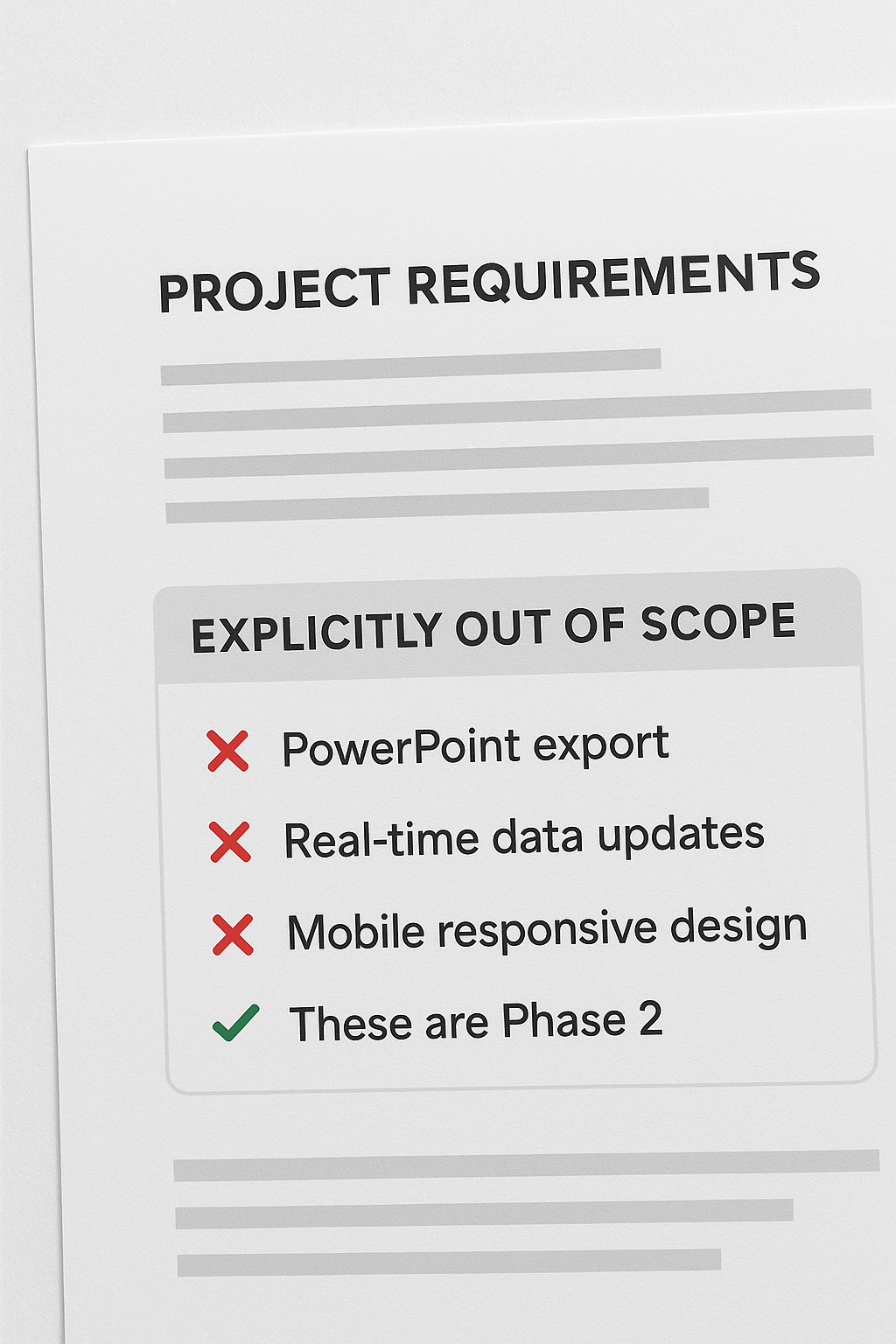
Transparency isn't just about what's included, it's about naming what's out of scope.

We asked 500,000 researchers which biobank they stan, and the results were… scientifically significant.
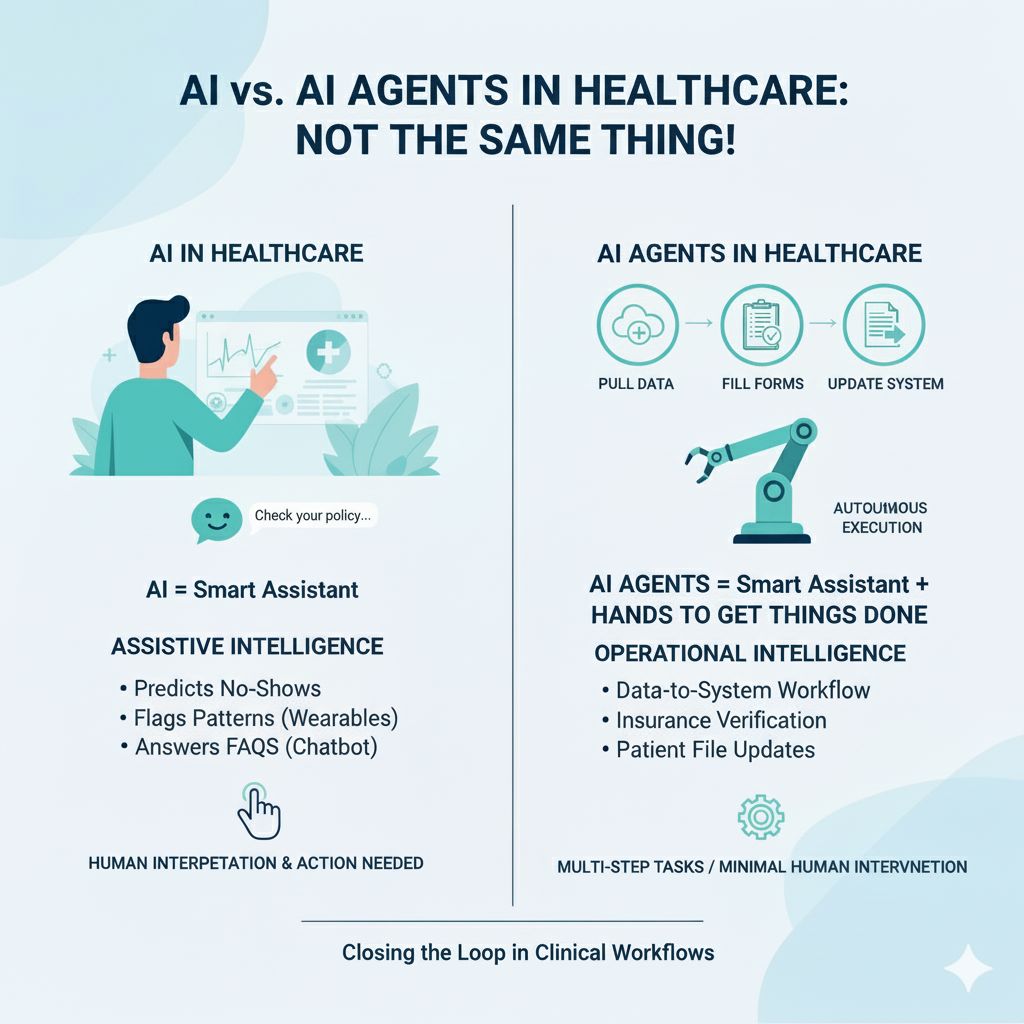
The distinction between traditional AI and AI agents is crucial for understanding their impact on healthcare.
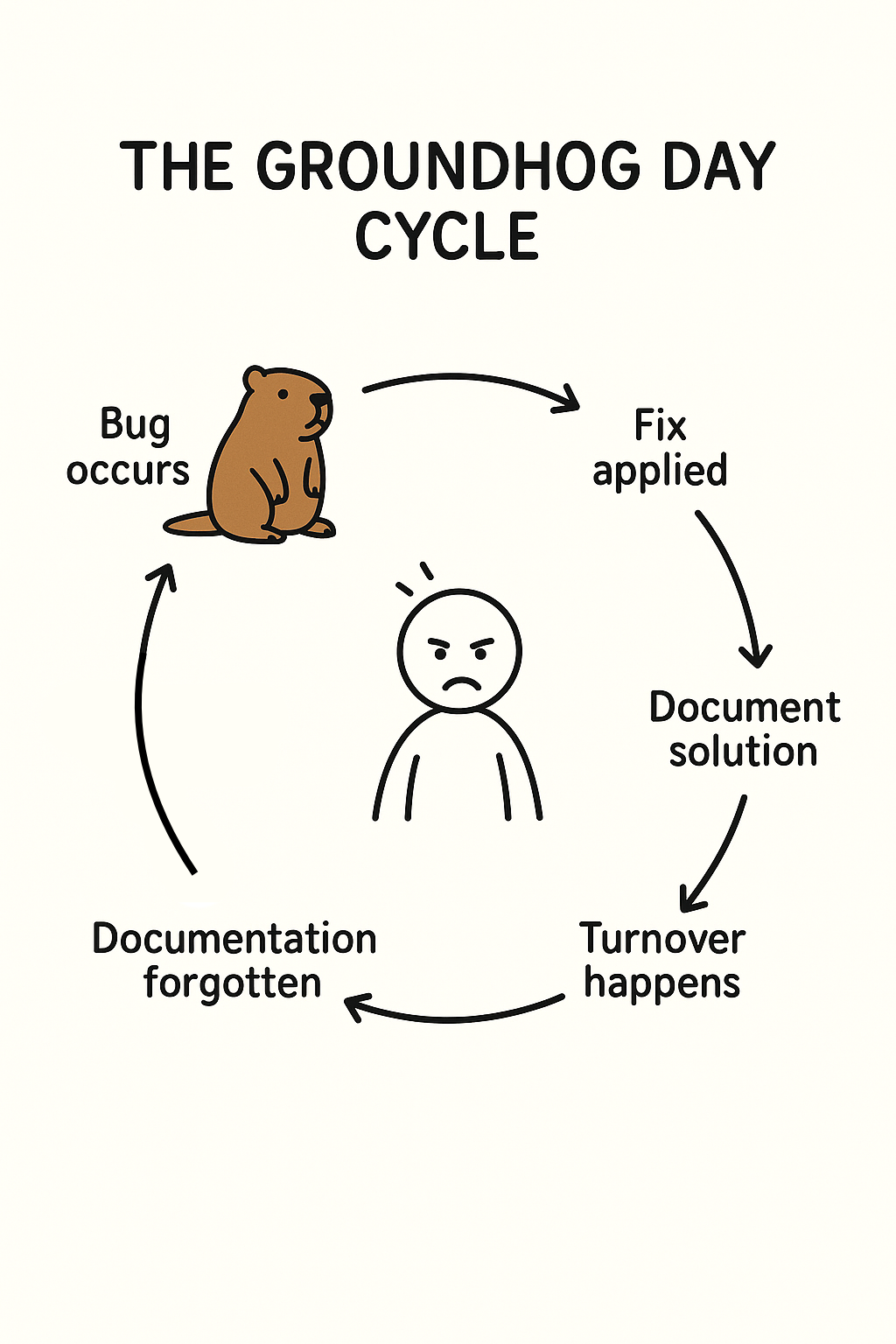
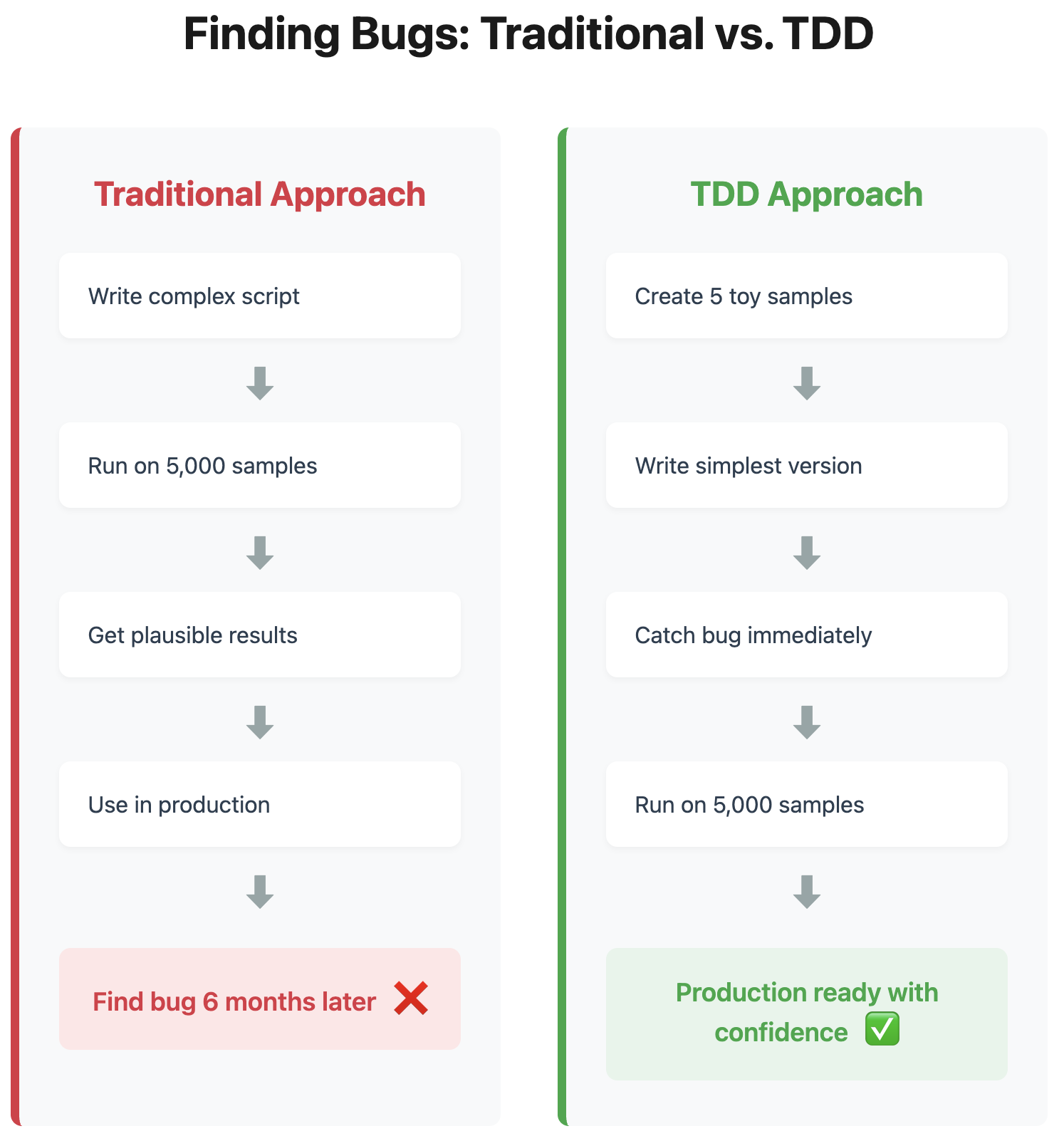
Why data scientists should design error messages that guide users straight to solutions.
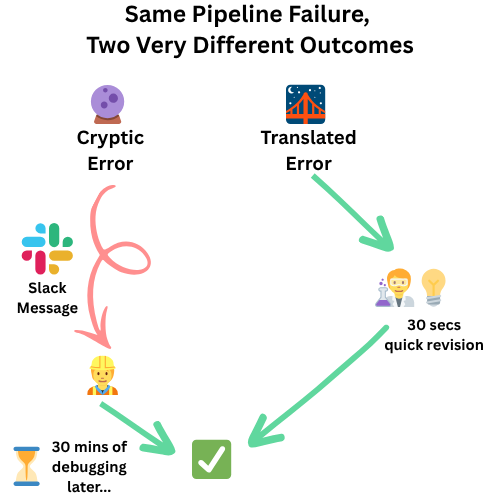
Why data scientists should design error messages that guide users straight to solutions.

AI agents turn healthcare data into real‑time insights, evolving with patients and providers.
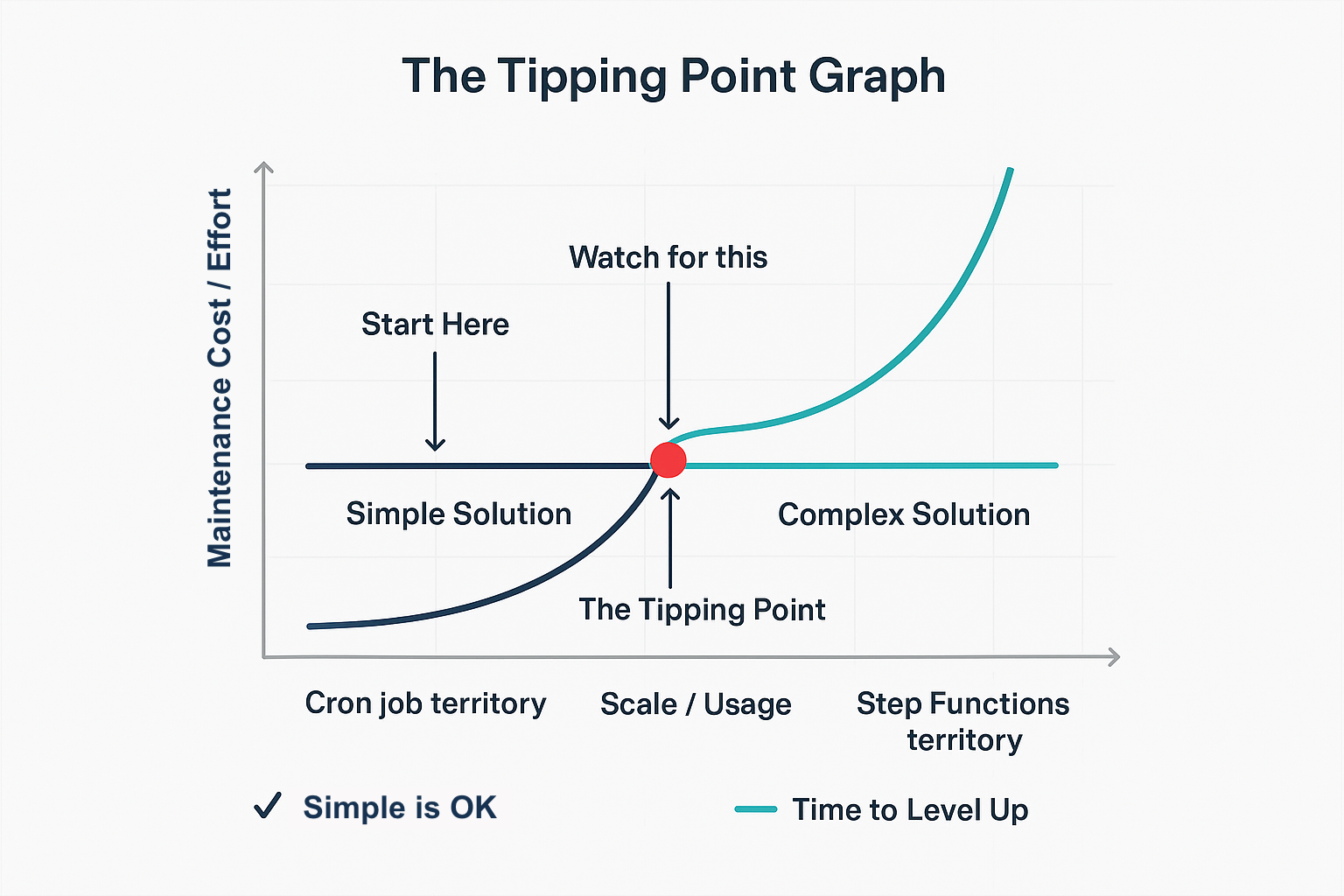
The best solution is the one that solves today's problem without creating tomorrow's.
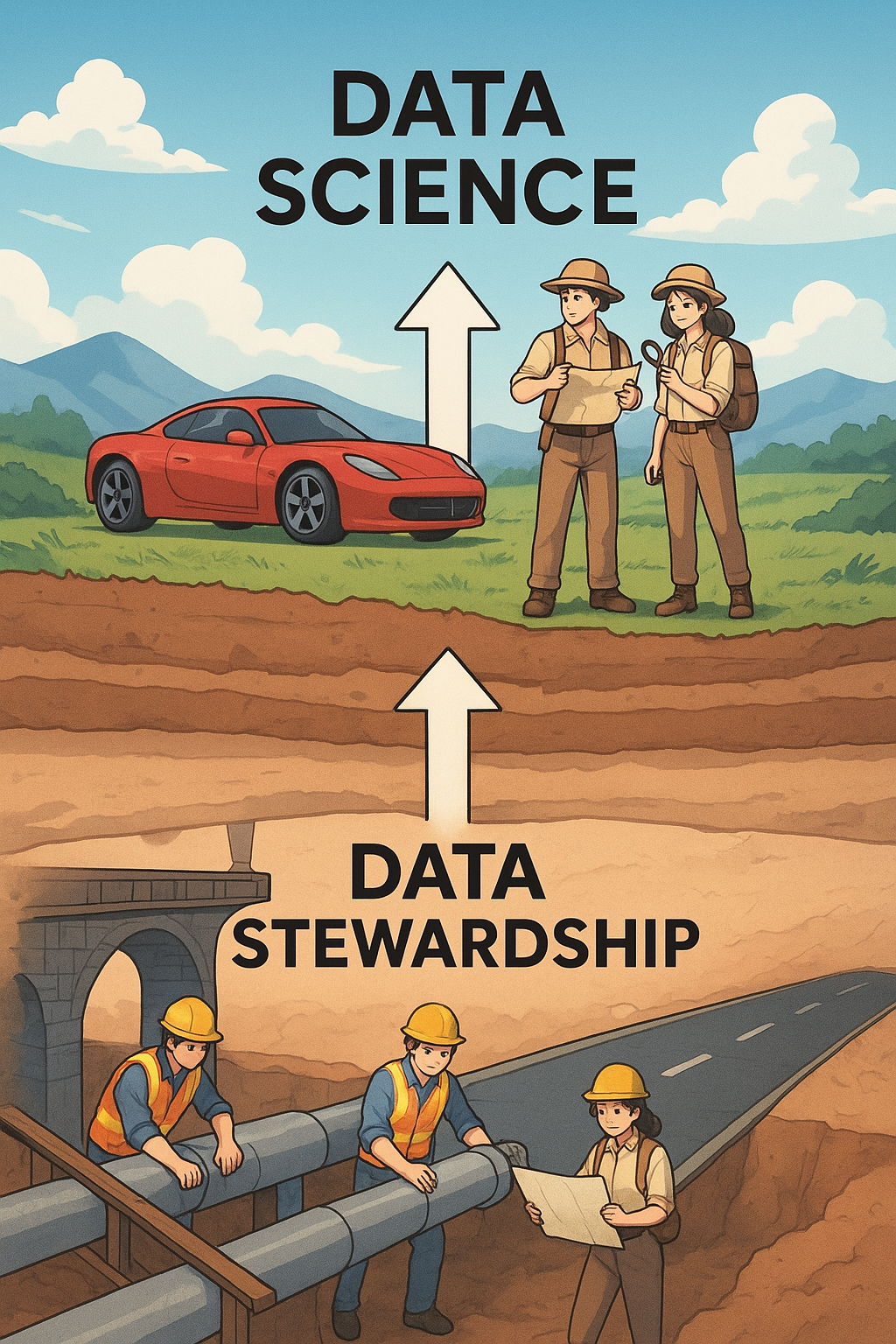
Why Biotech Needs Both (But Hires Only One)
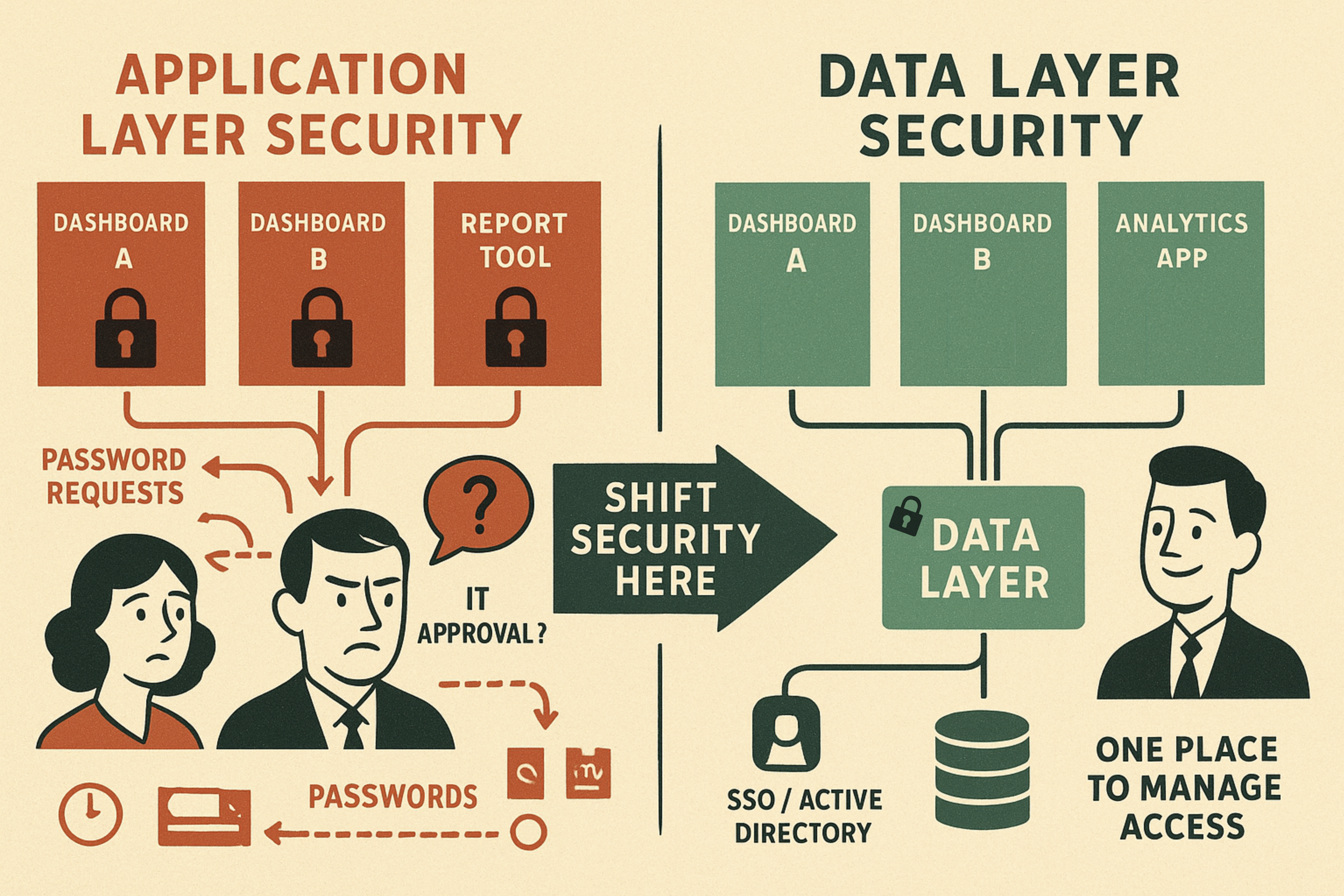
What is the best kind of security for your data?
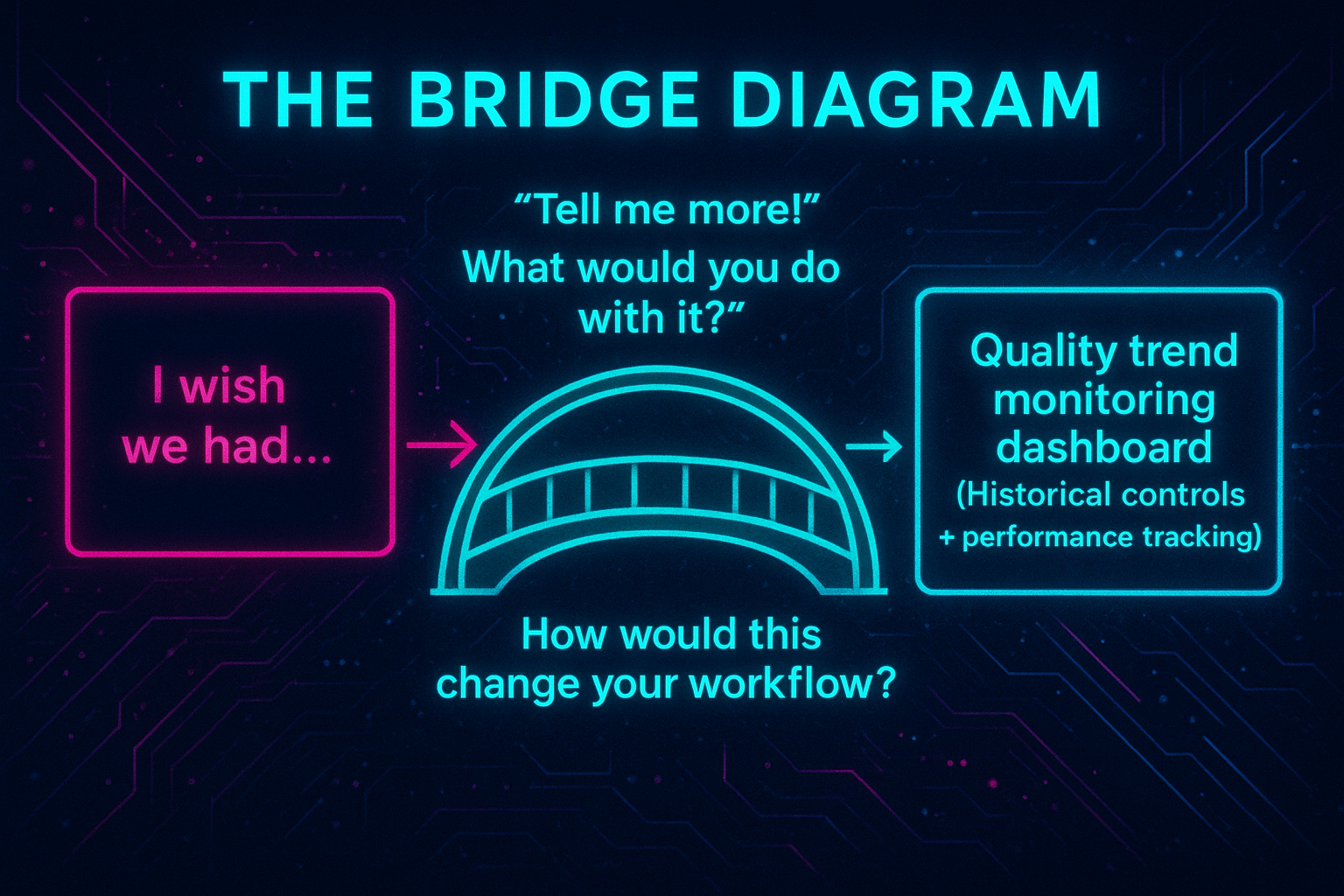
The difference between requirements and success criteria
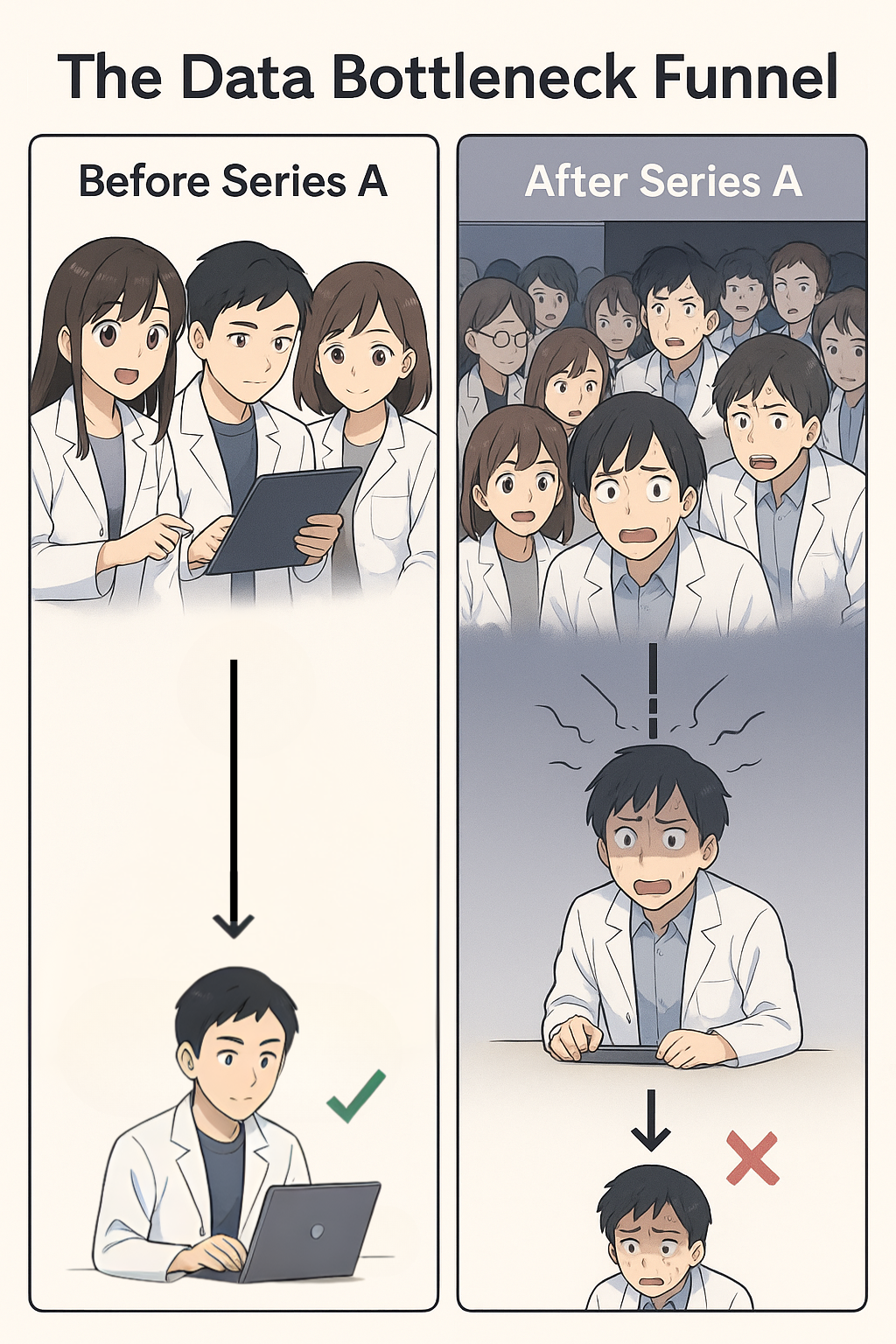
Avoid the common data pitfalls that slow down growing biotech companies.
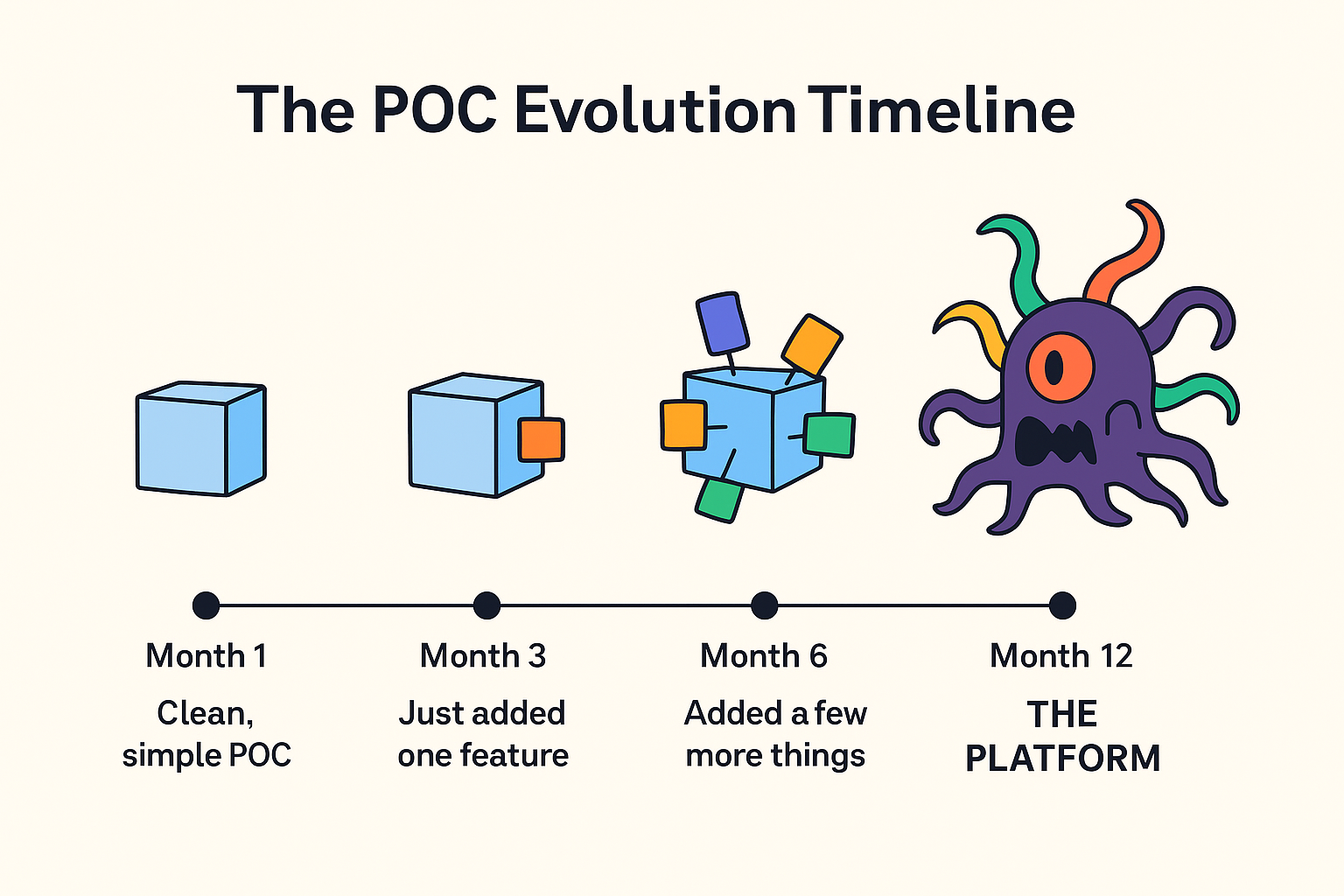
The best Proof-of-Concepts teach you what to build next and then get retired.
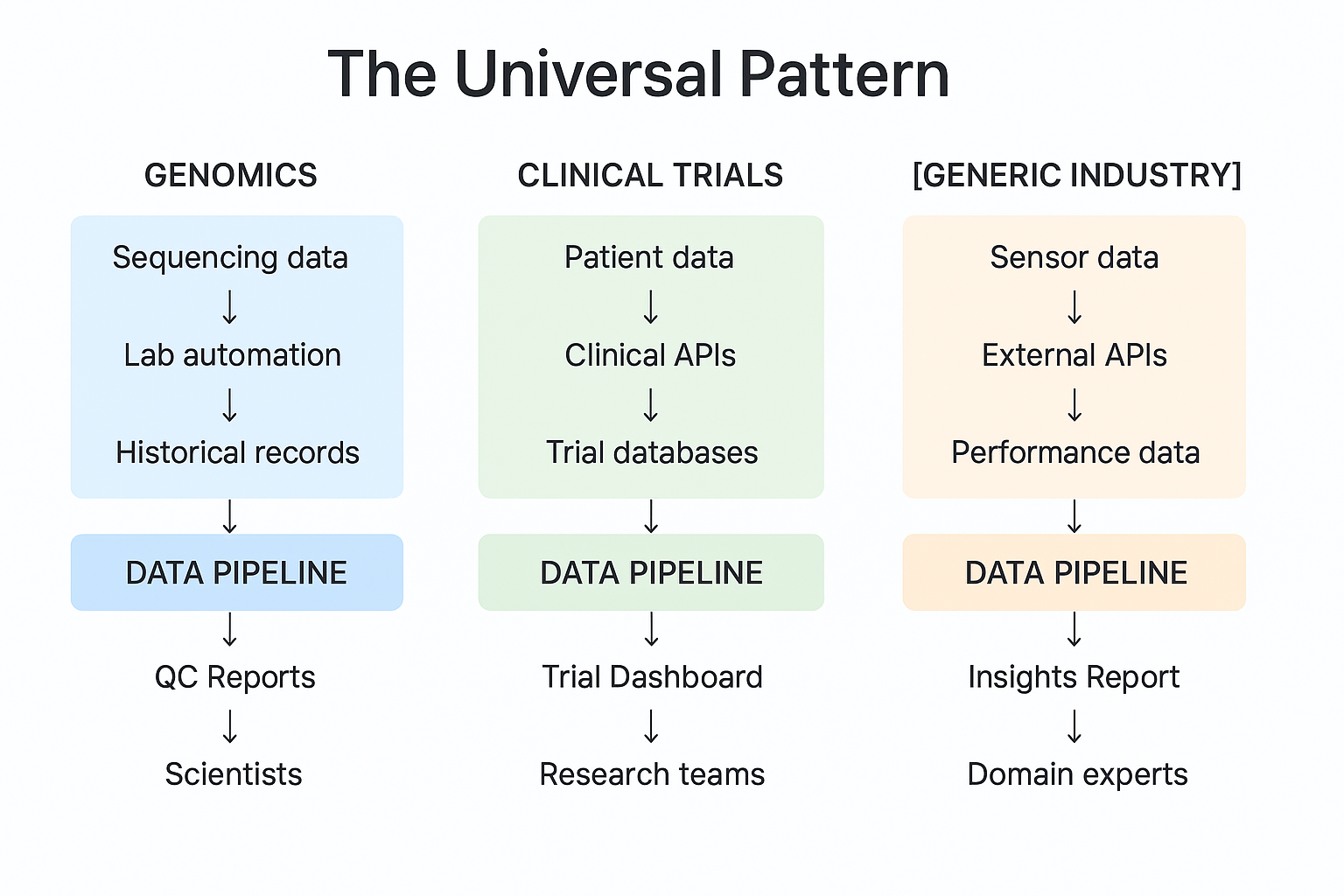
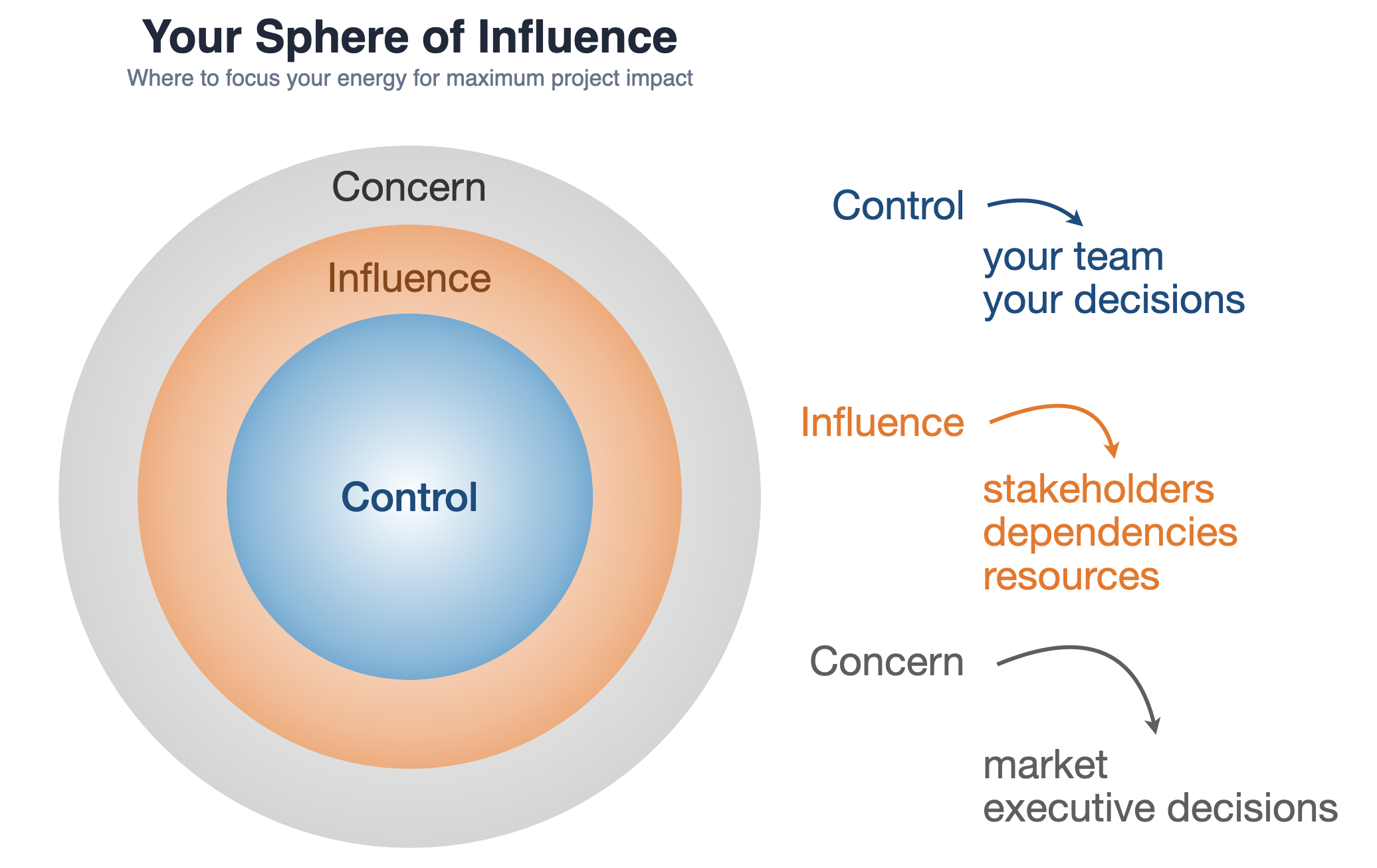
How to focus your energy to actually make a difference

Bridging Biology with Clinical Insight
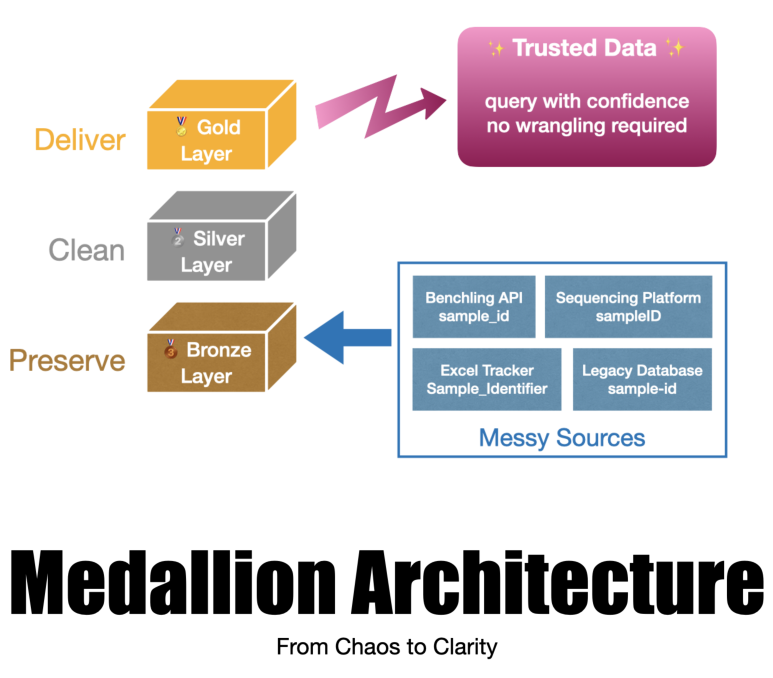
From chaos to clarity: How the medallion architecture transforms messy, multi-source data into trustworthy insights.
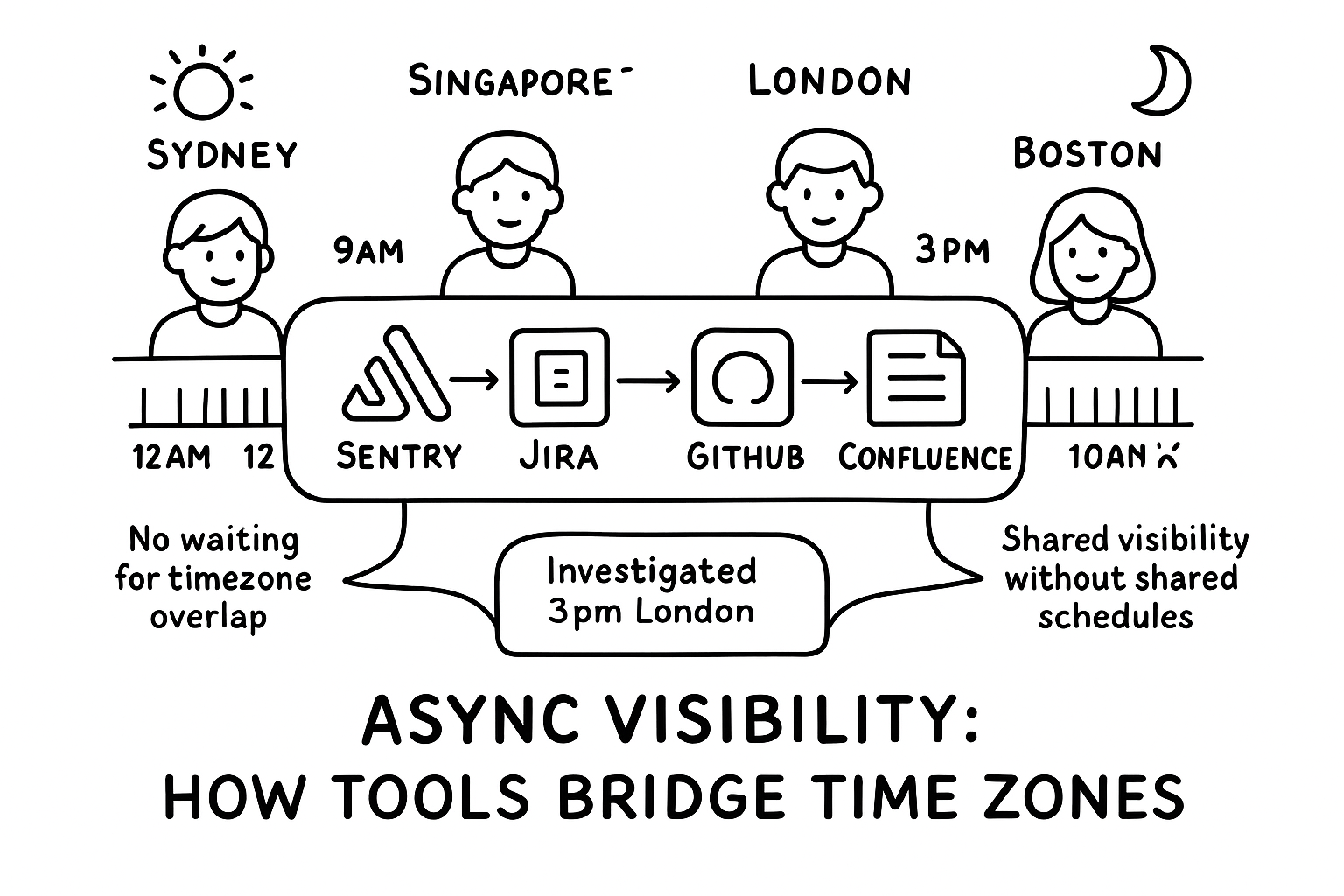
Strategies to management without real-time communication
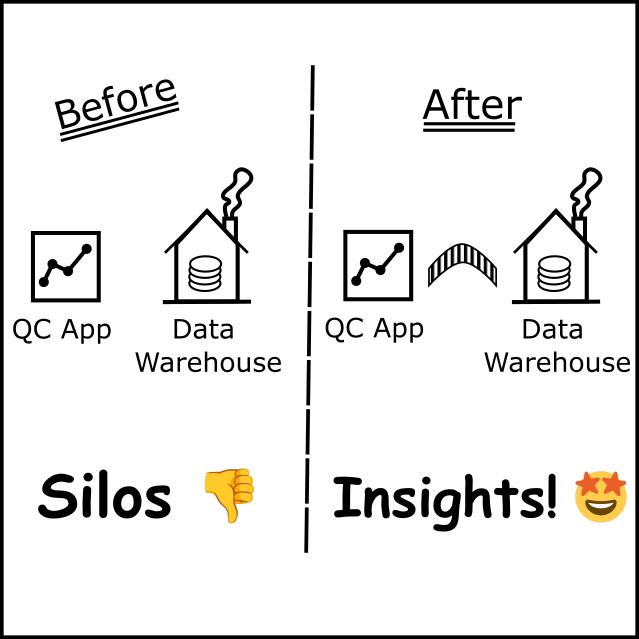
Most biotech companies build applications. Few build APIs.
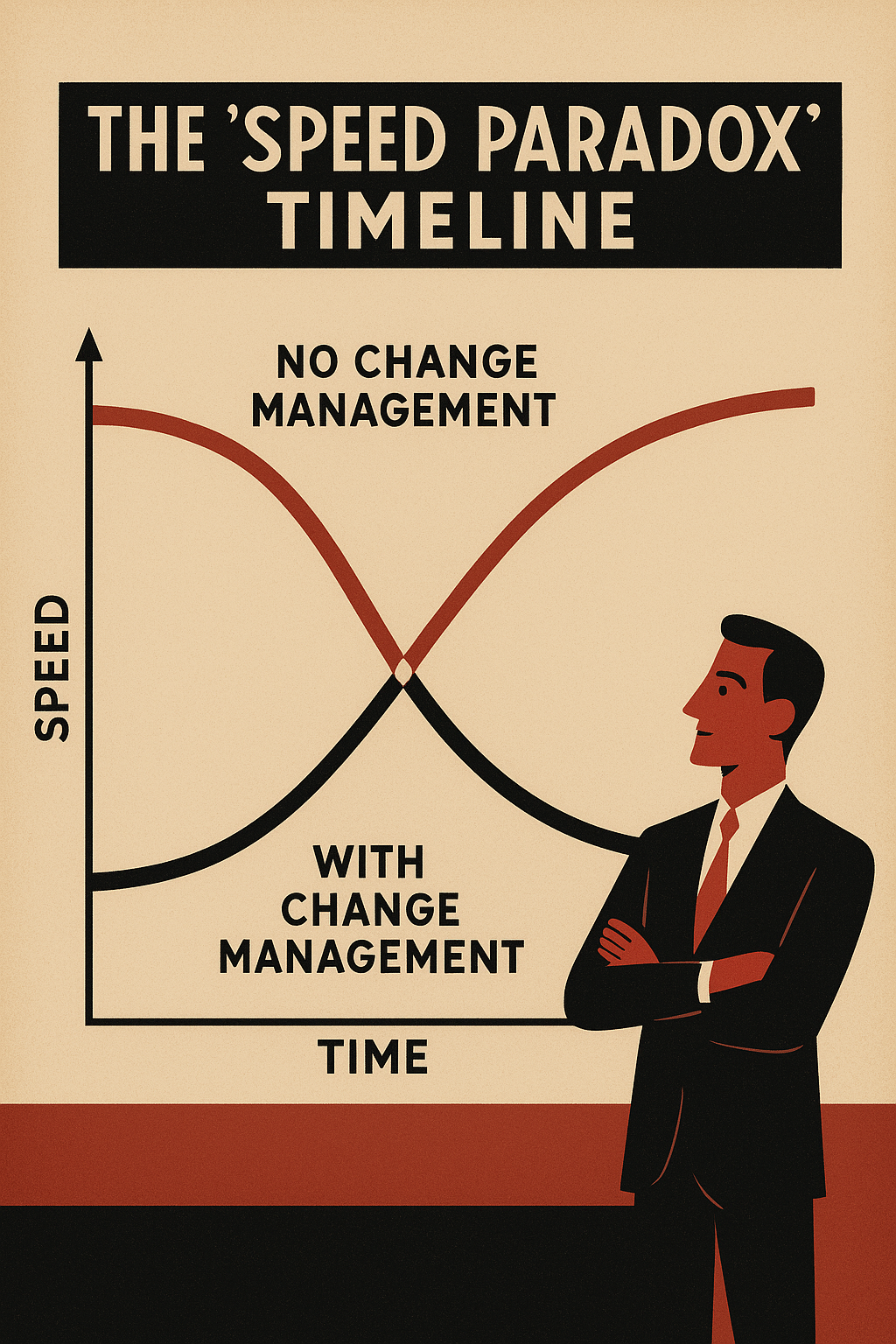
The "slow down to speed up" paradox
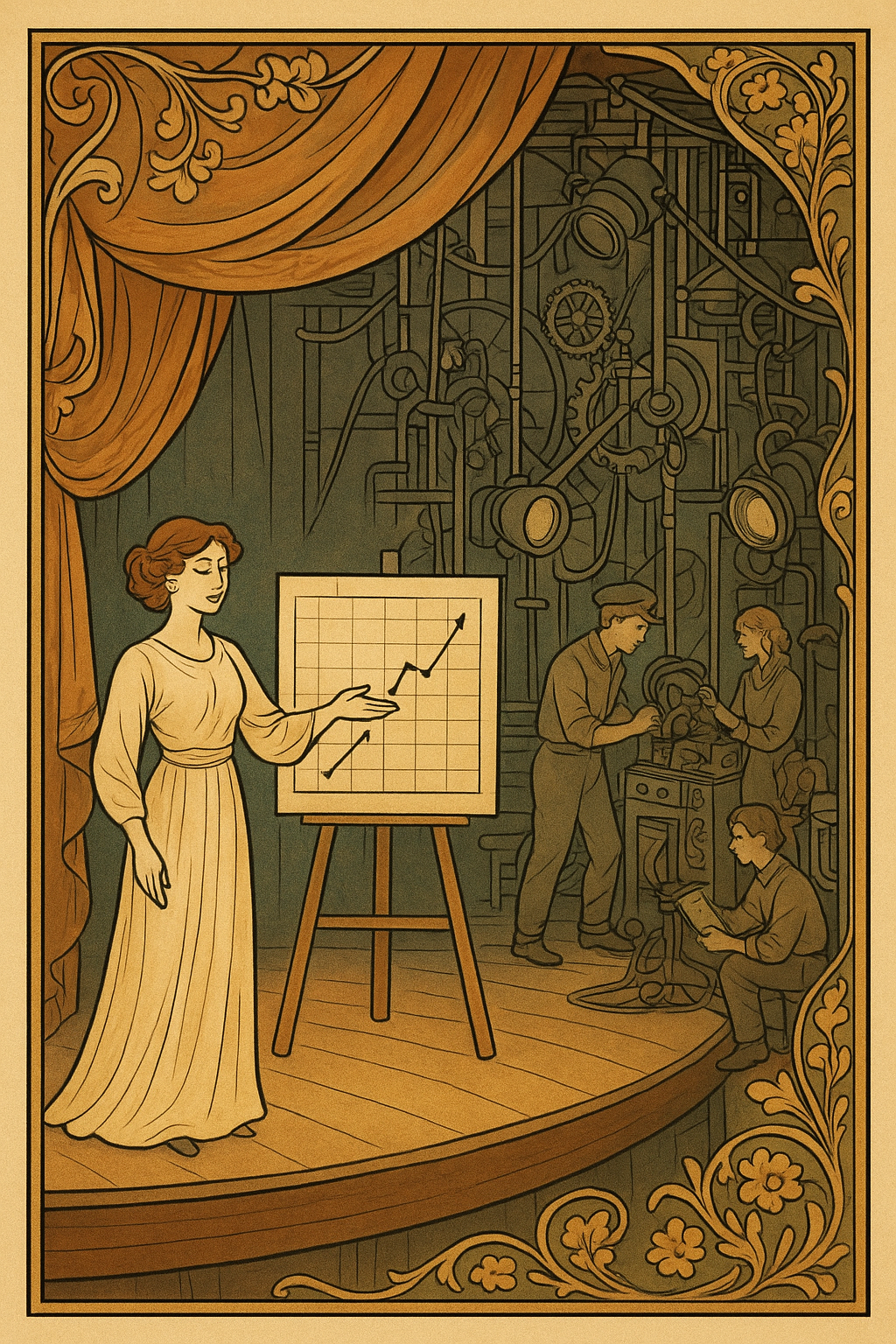
The best tech solutions aren't rocket science. They're force multipliers.
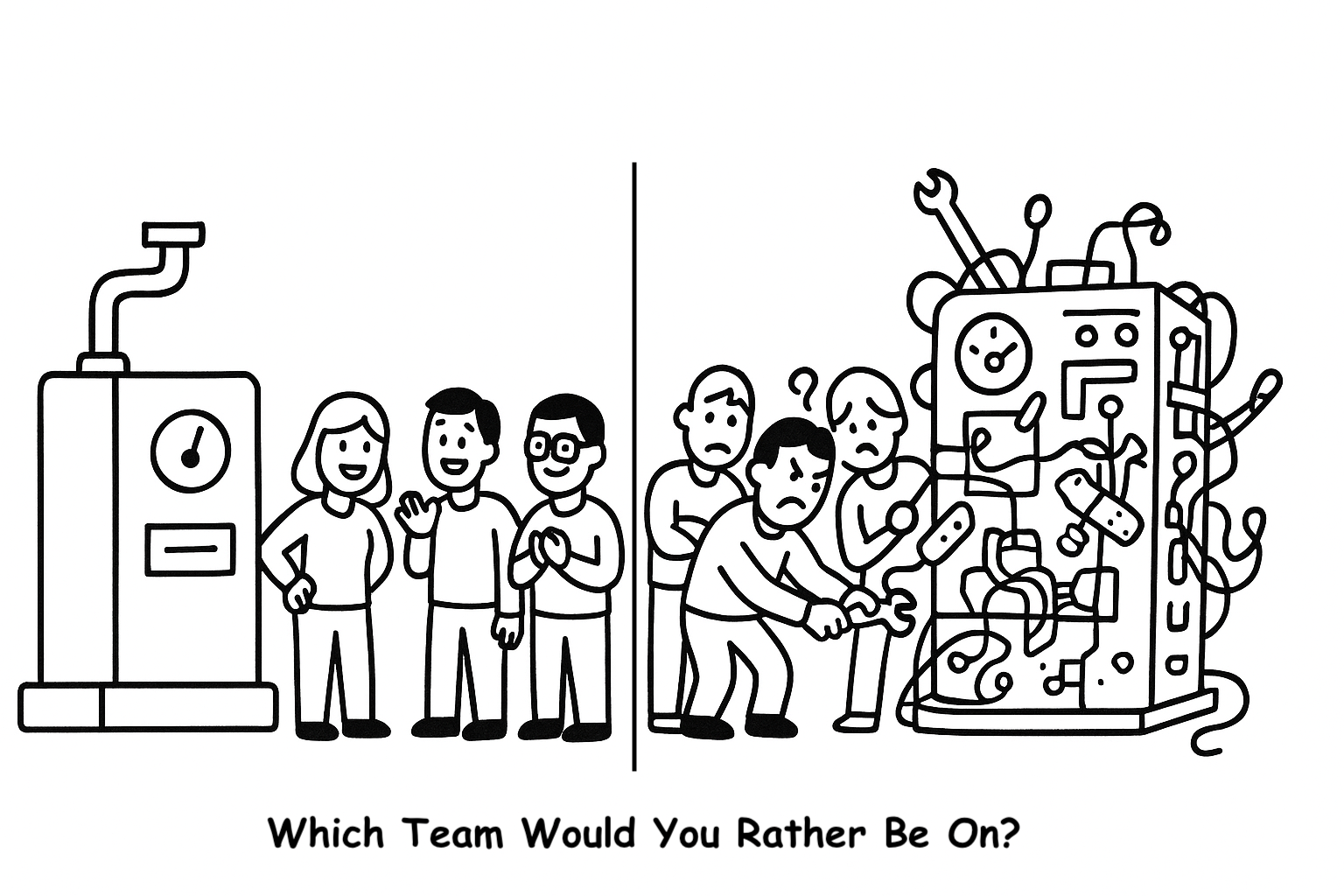
The challenge isn't eliminating quick fixes—it's being intentional about which ones you keep and how you document the journey.
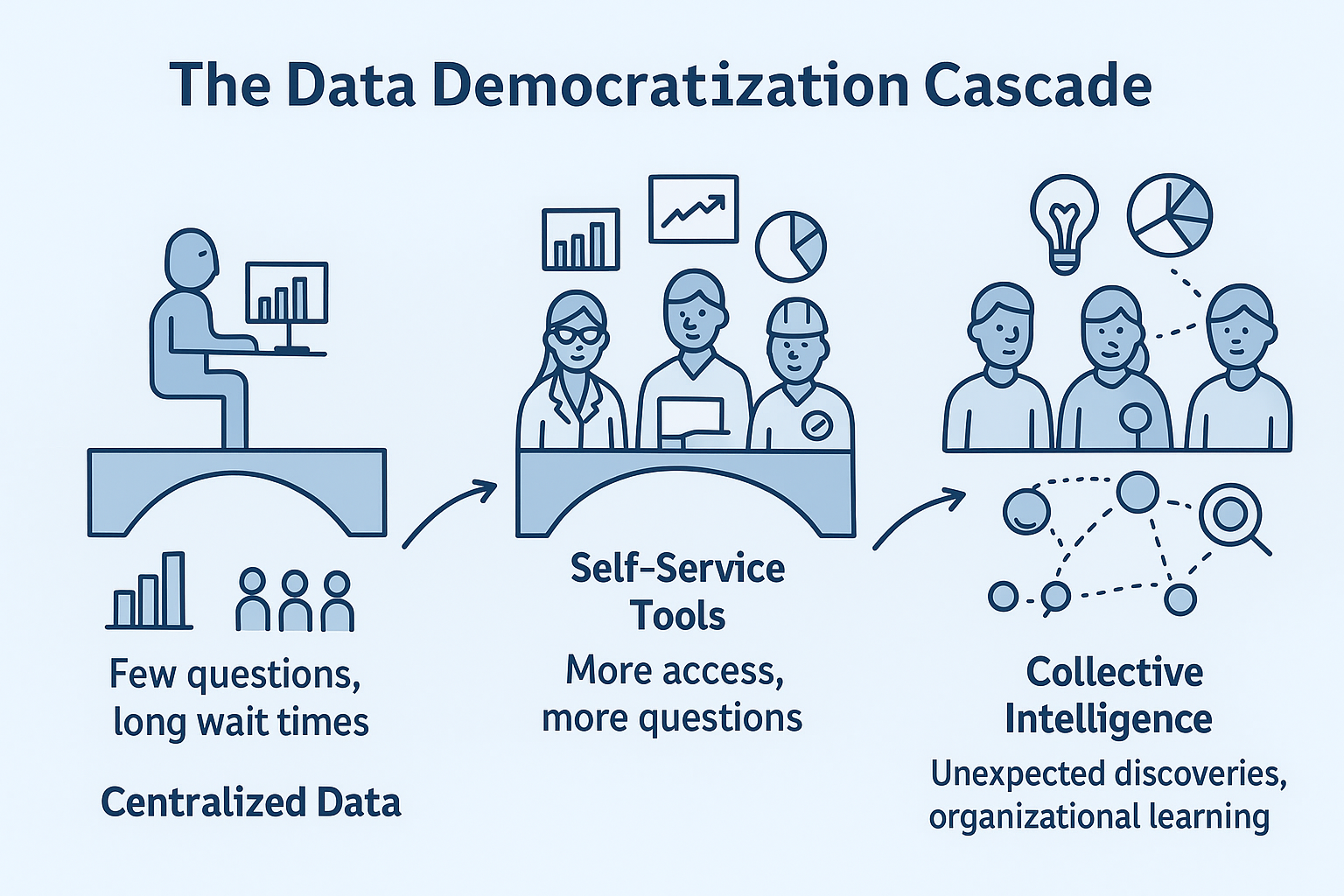
Why do good tools create more questions than they answer?

Understanding what success looks like from your manager’s perspective is key to advancing your career.

Ever wish running a bioinformatics pipeline was as easy as pressing “play”? With Snakemake, it can be.
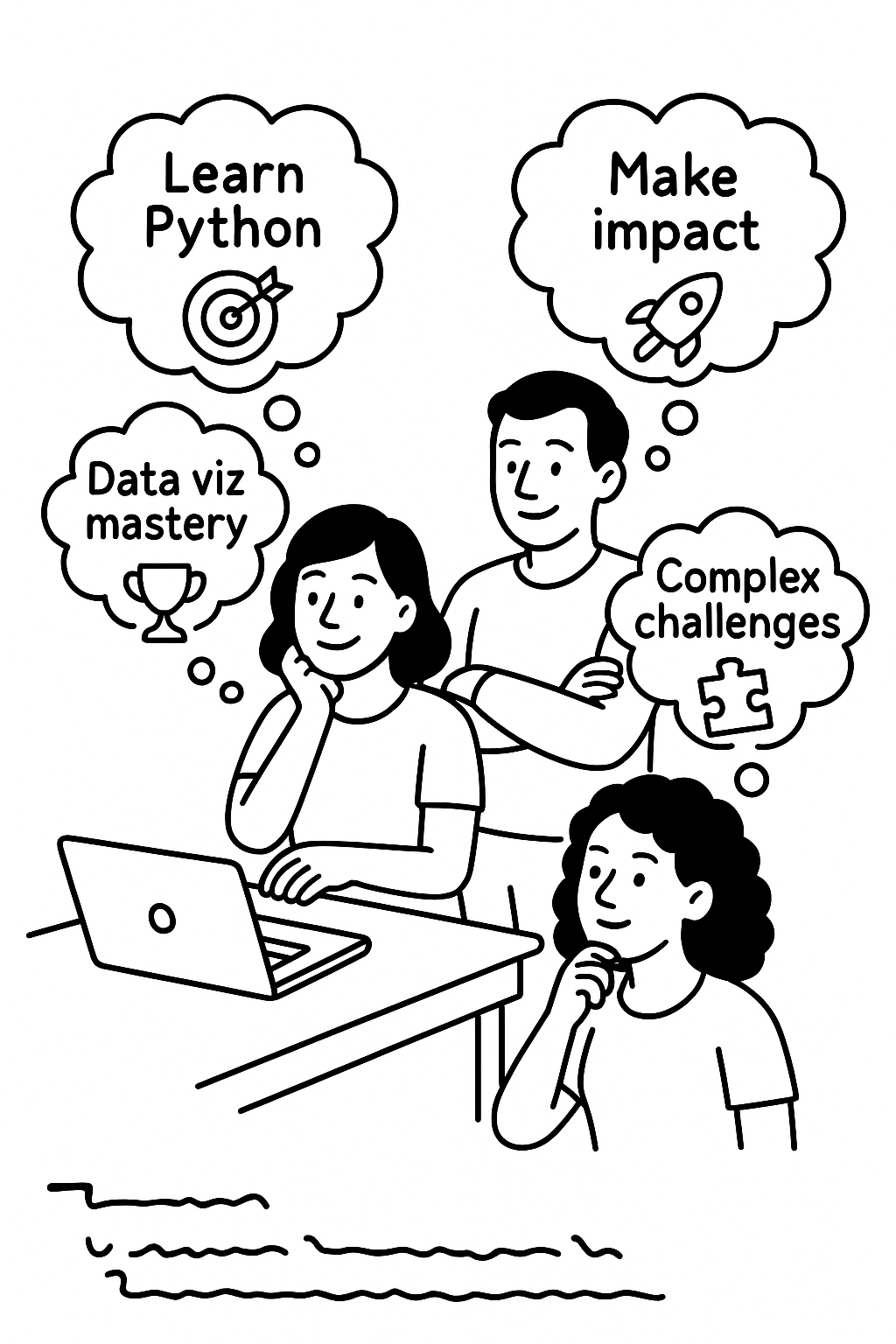
The best technical leaders figure out what each team member wants from the project—then find ways to deliver it.
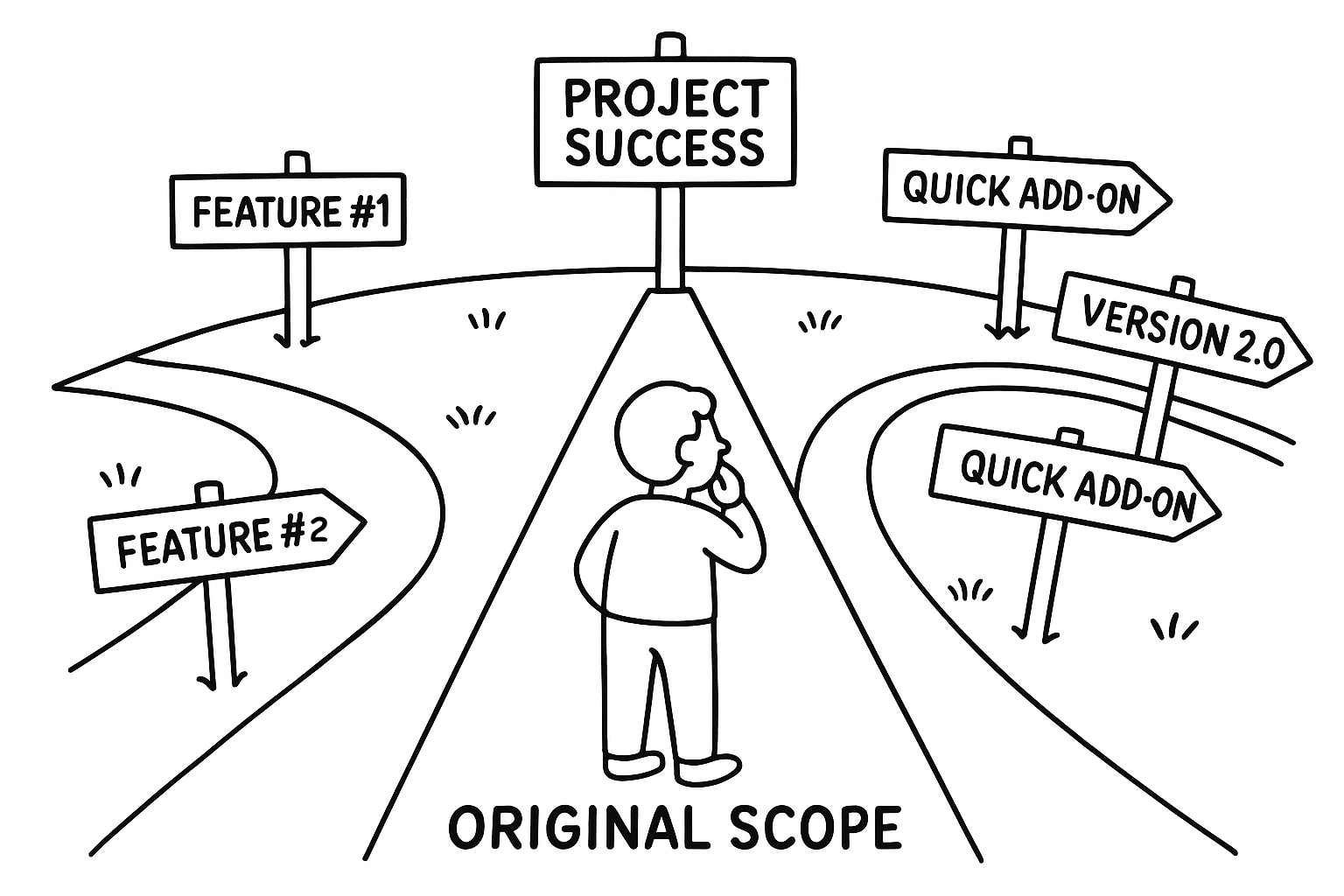
Scope negotiation isn't about being rigid—it's about being intentional.
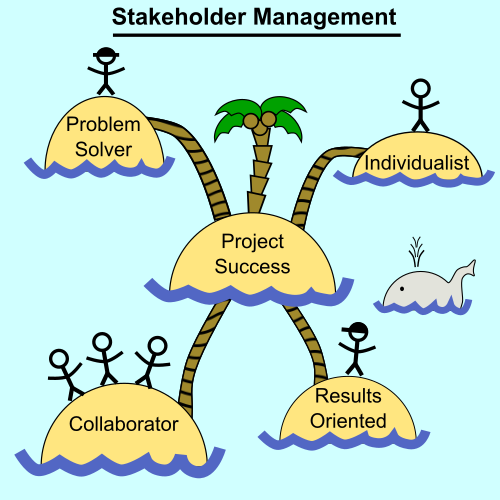
Technical skills get you the job. Stakeholder management skills make you effective in the job.

When 86% of genomic data comes from European ancestry, treatments built on this data will inevitably fail marginalized communities.
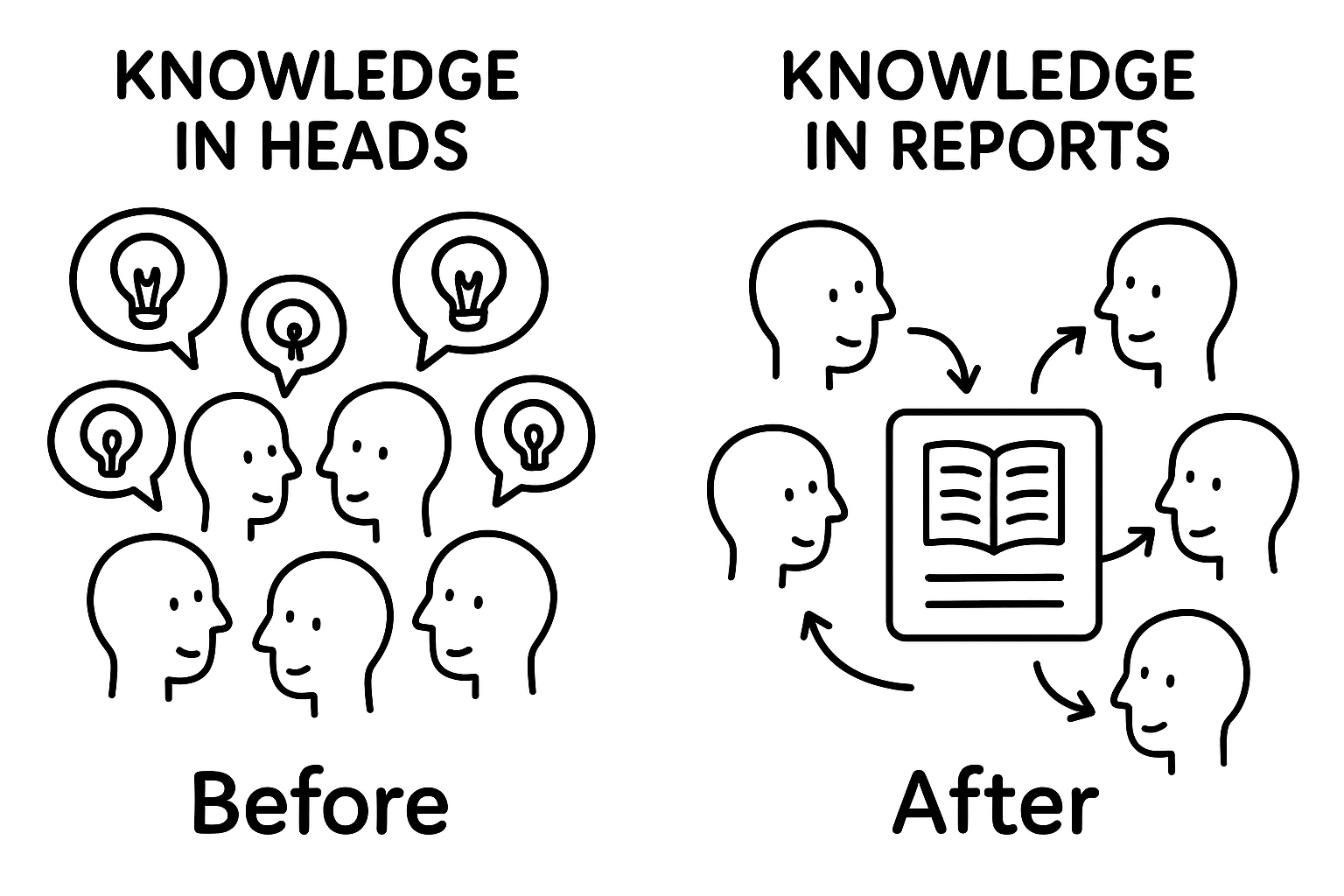
Software engineers routinely write project wrap-up reports. Bioinformaticians? Almost never.
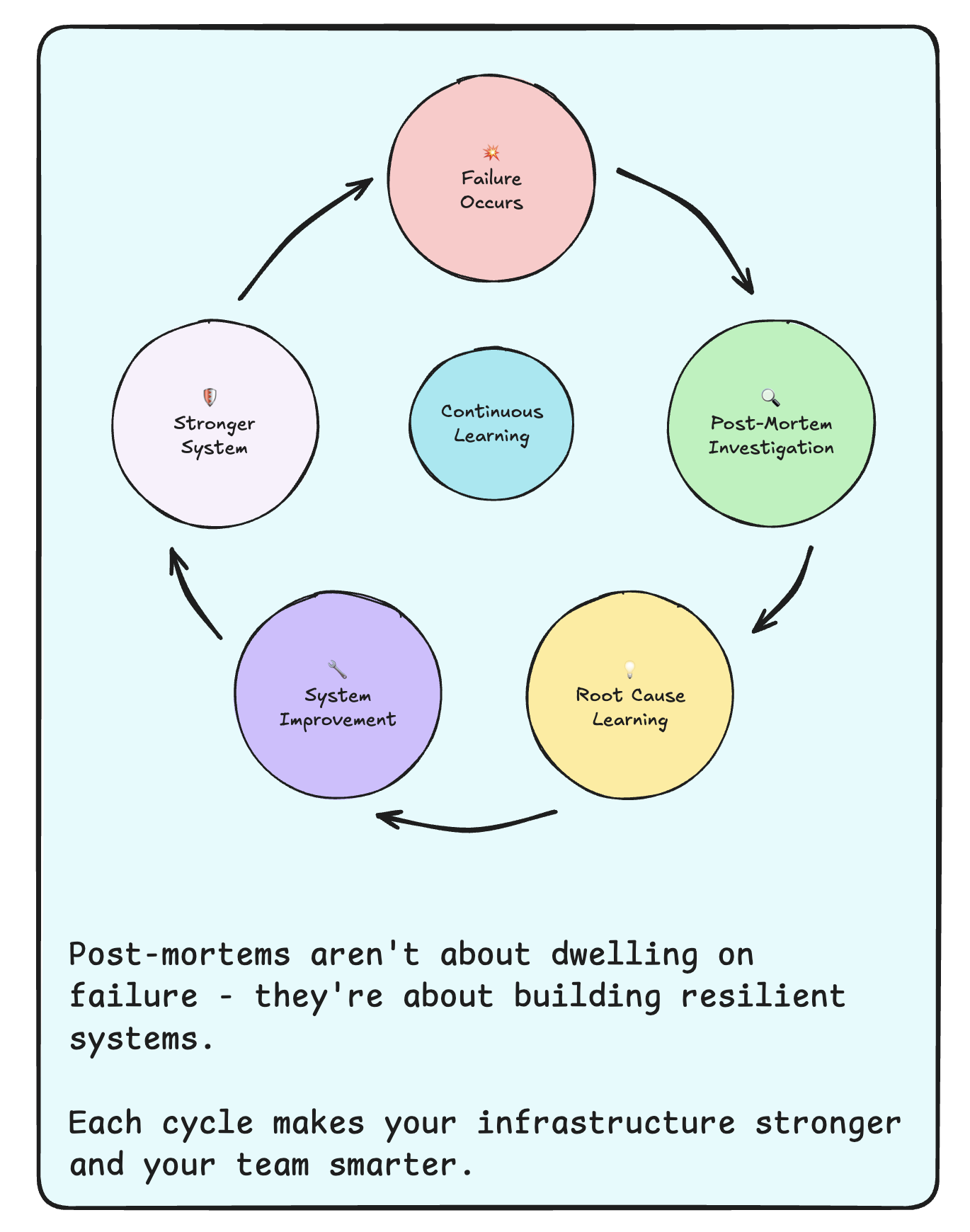
Thirty minutes you spend on a post-mortem can save you thirty hours of future firefighting.
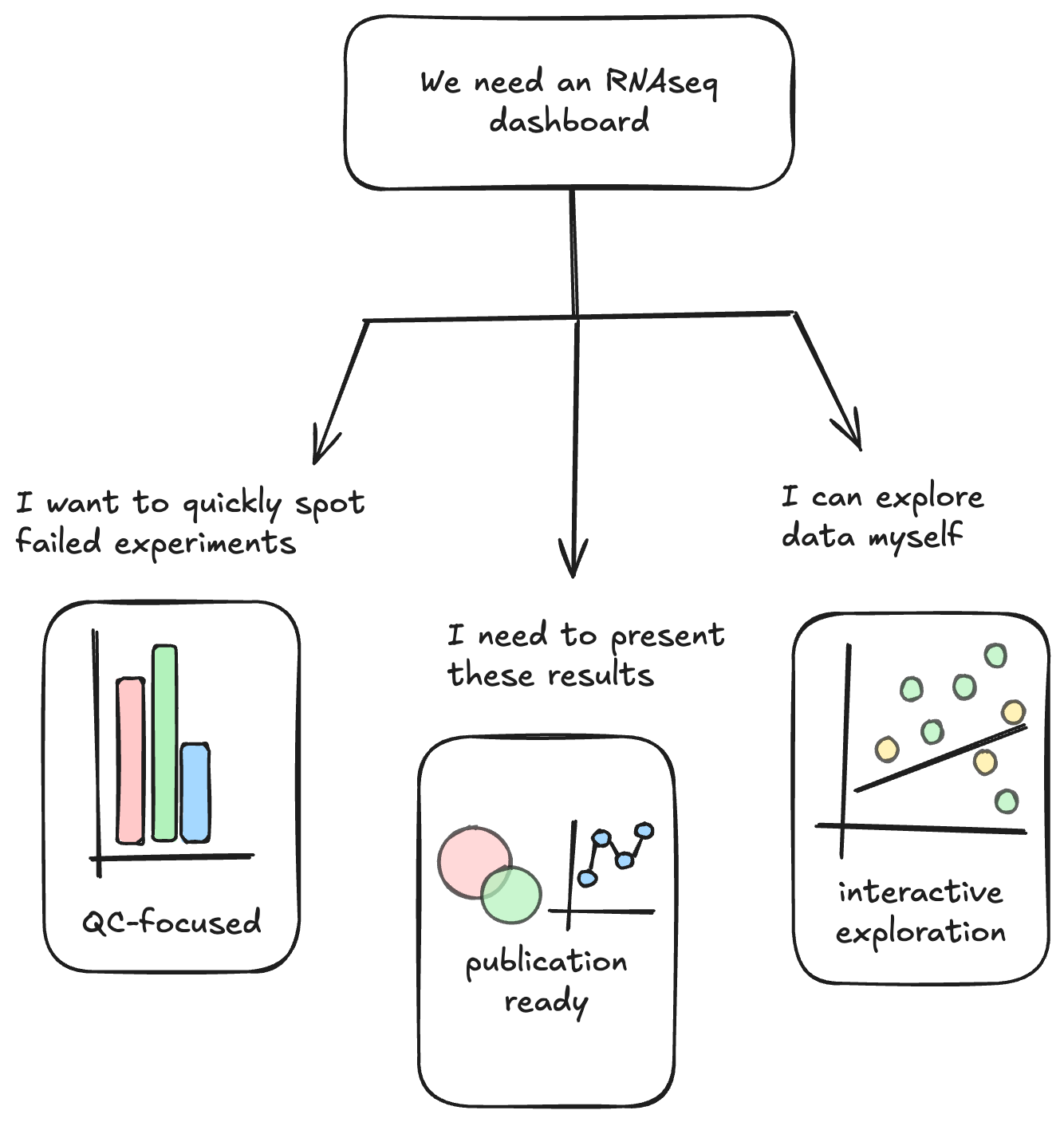
Successful tool development begins with understanding where to draw the finish line.
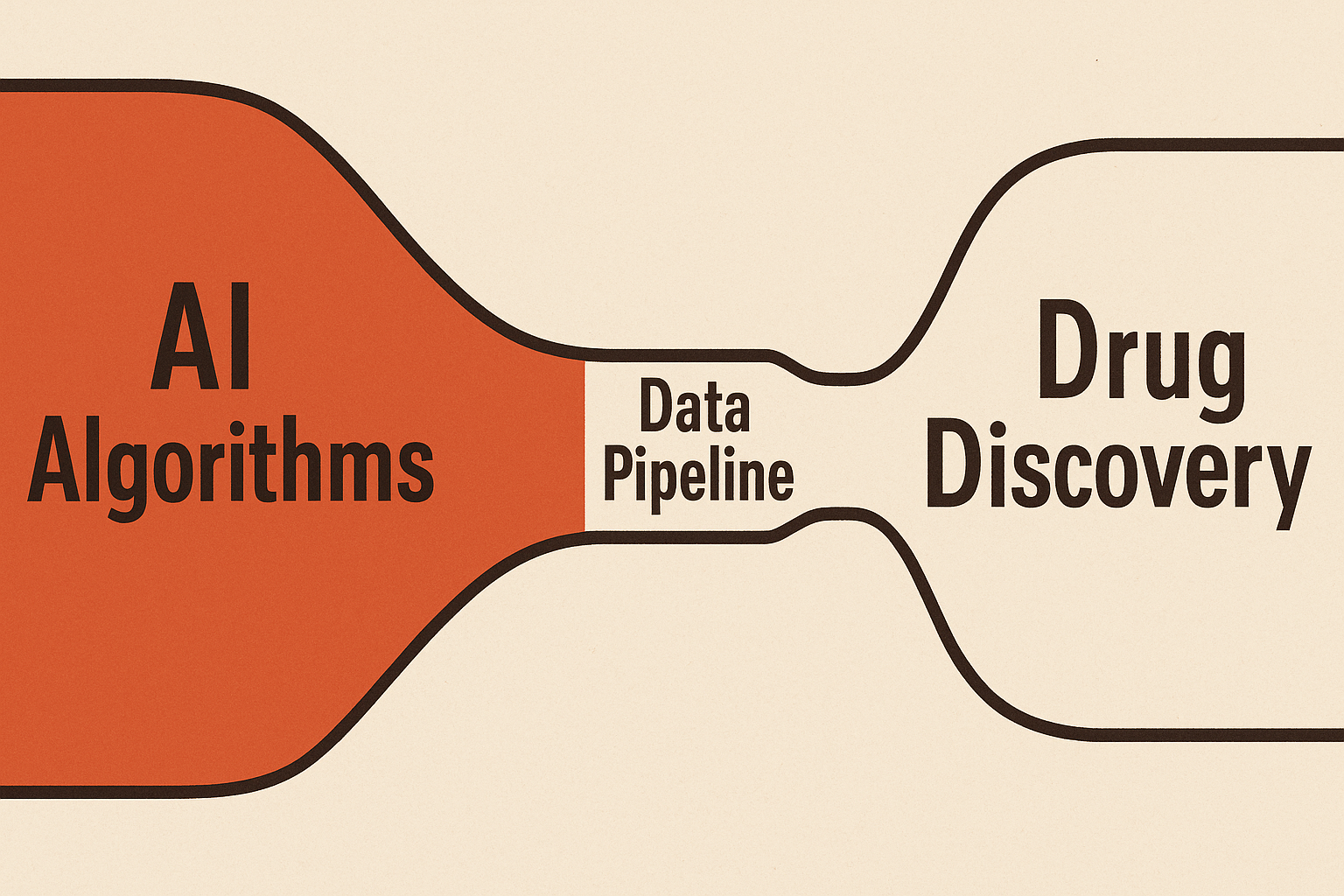
The real challenge in AI-drive drug discovery is the broken data infrastructure.
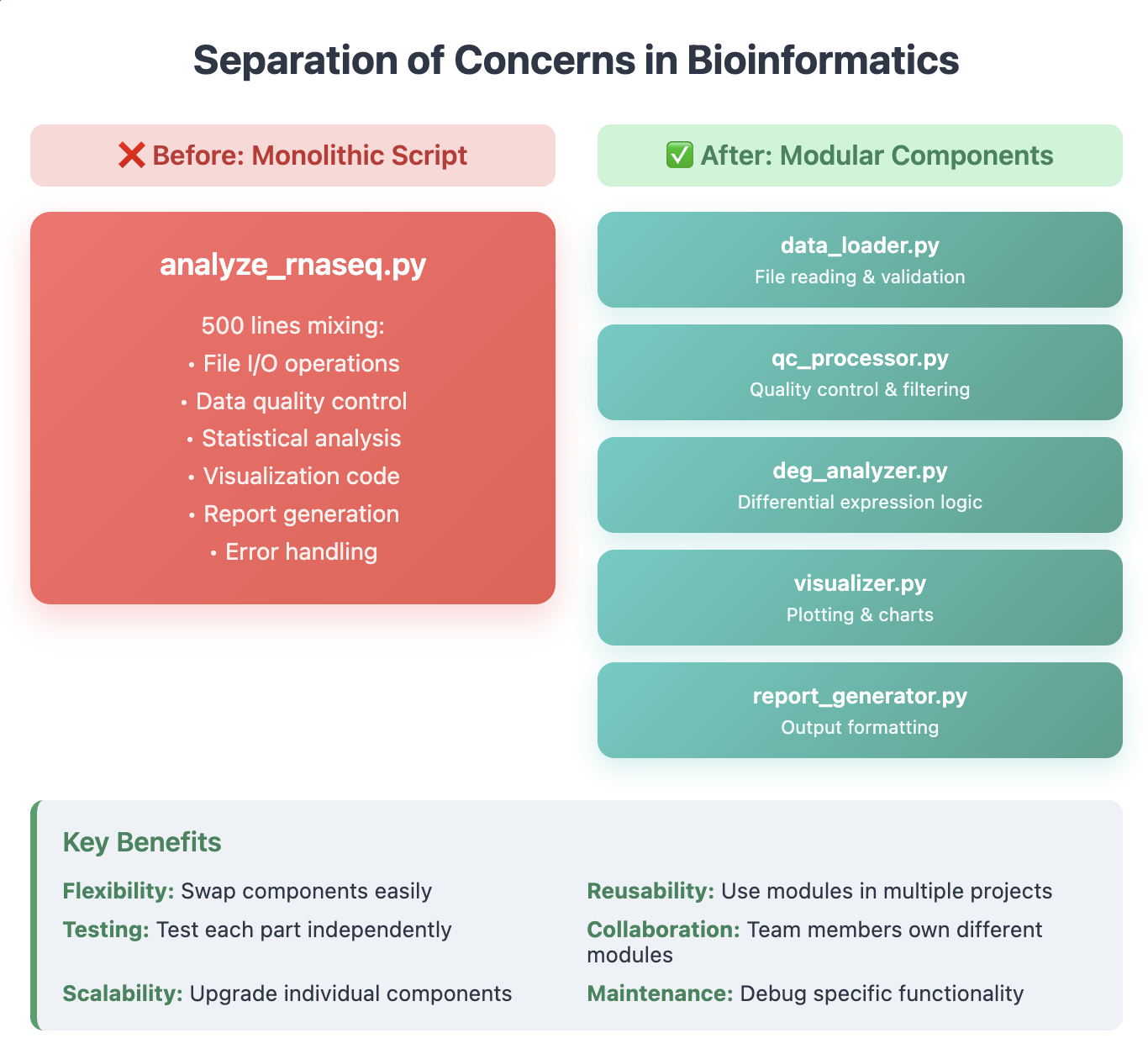
Each part of your code should have one job and do it well.
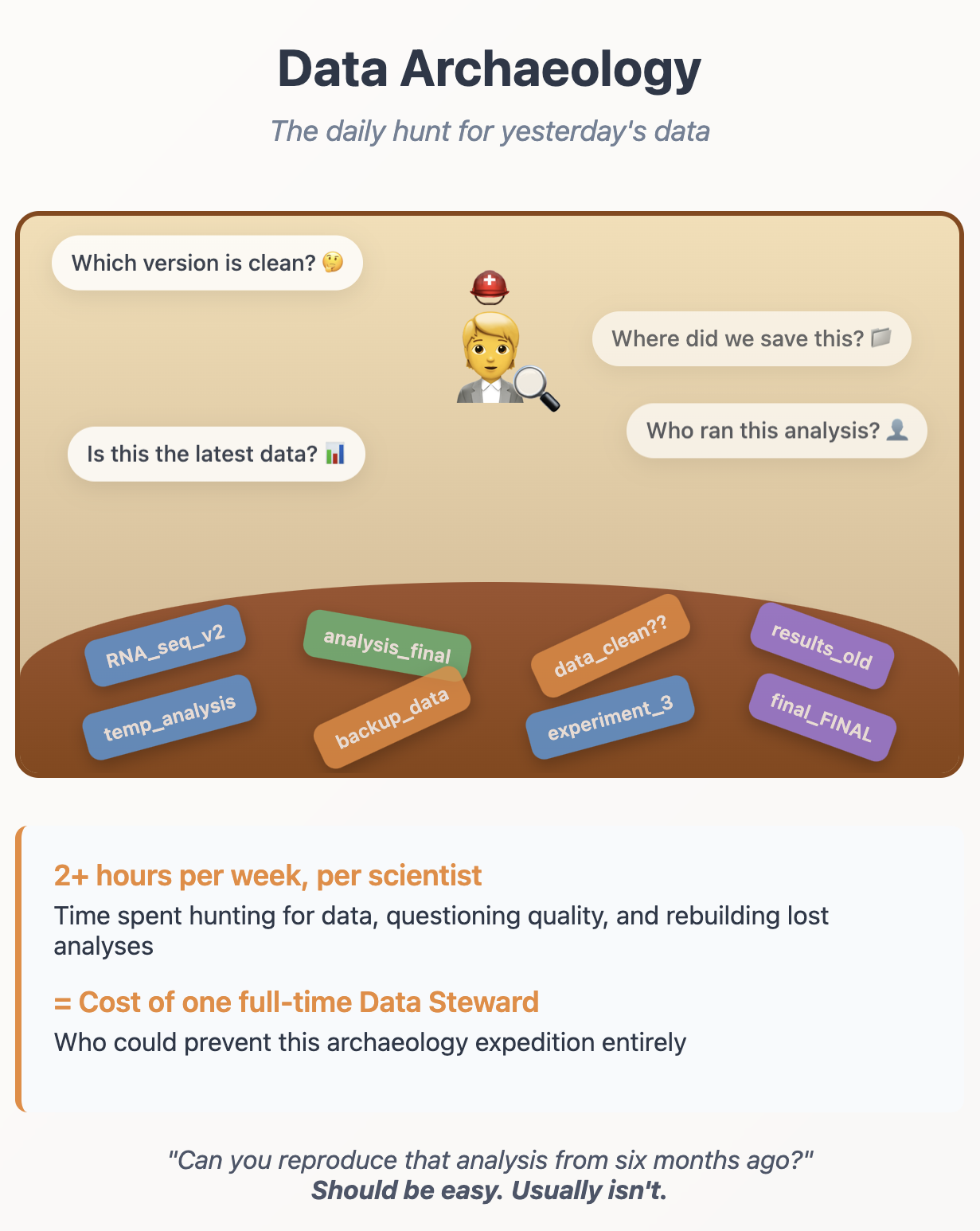
What is a data steward? Why is important?
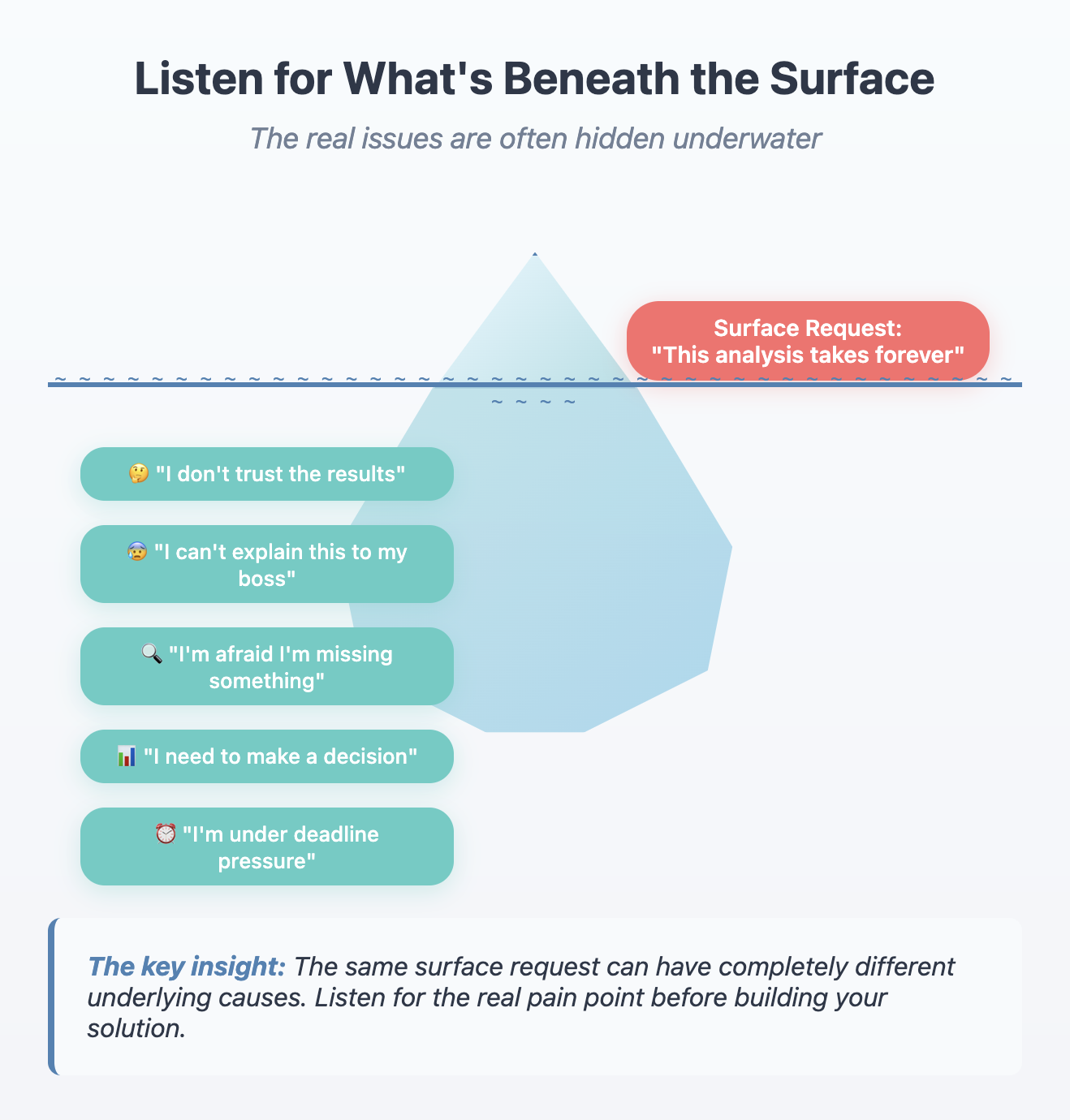
Listening skills in bioinformatics is critical
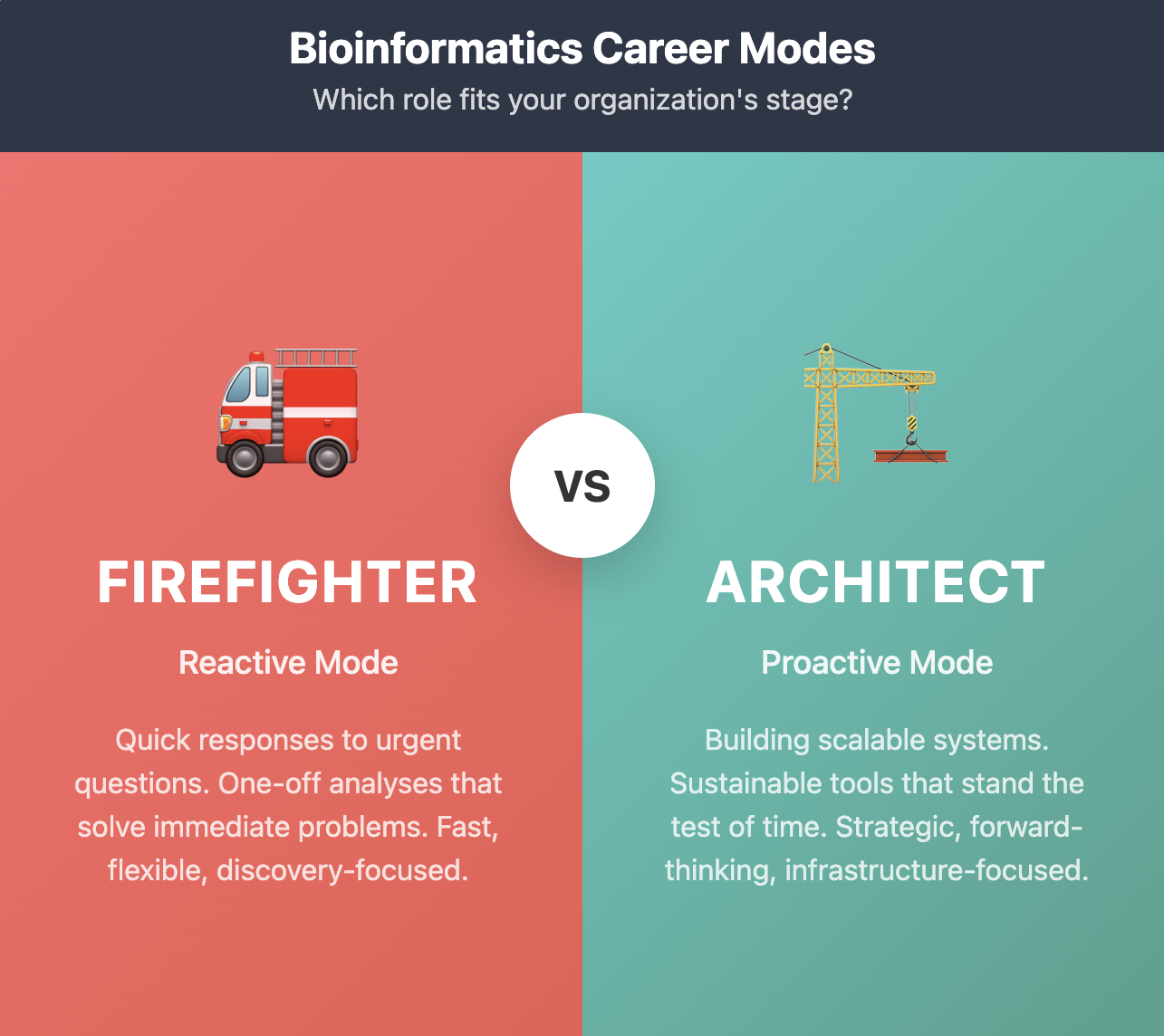
Bioinformatics enlightment occurs when one can regonize it has two main modes: reactive and proactive
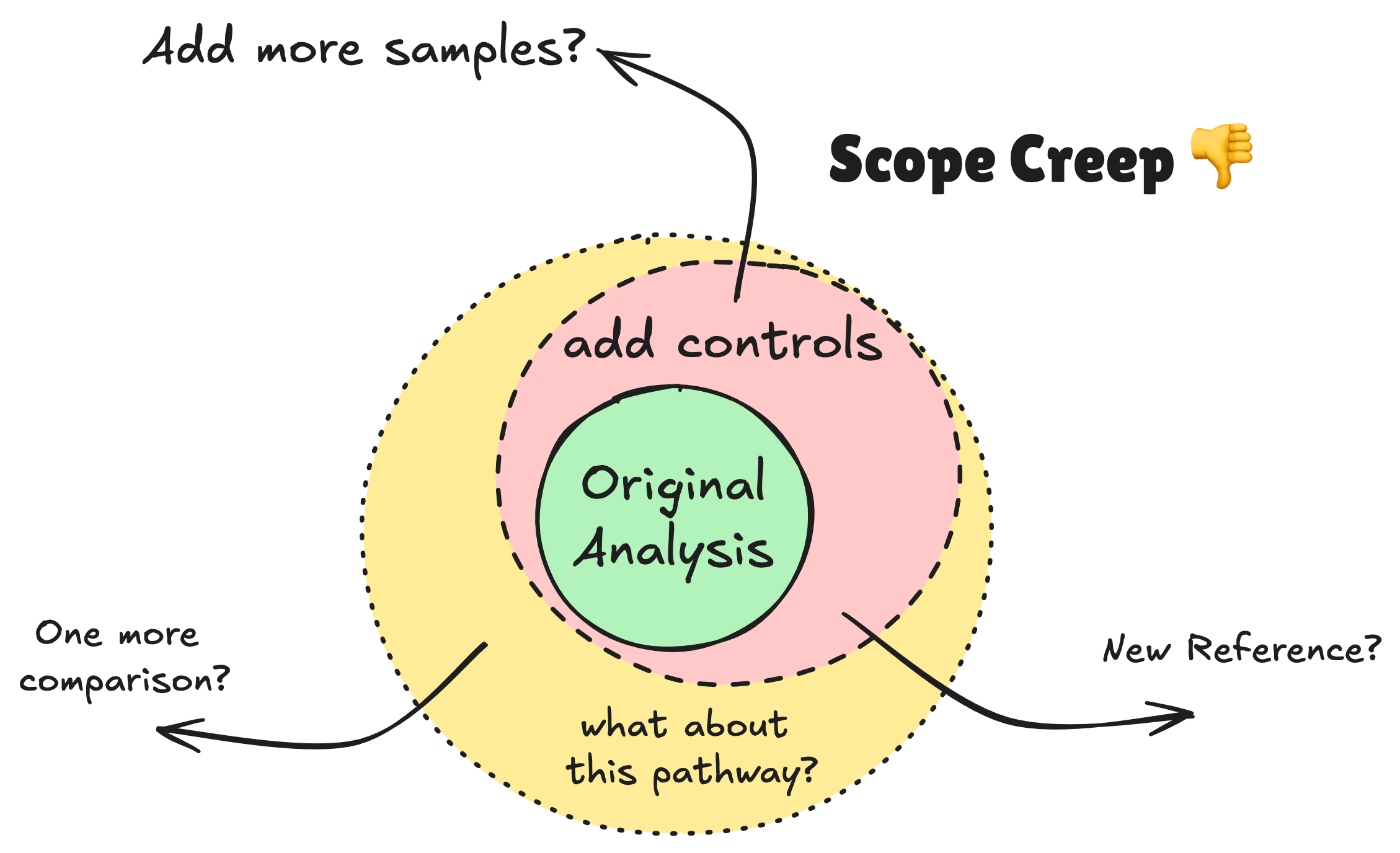
Should we be designing bioinformatics projects like a software engineer?
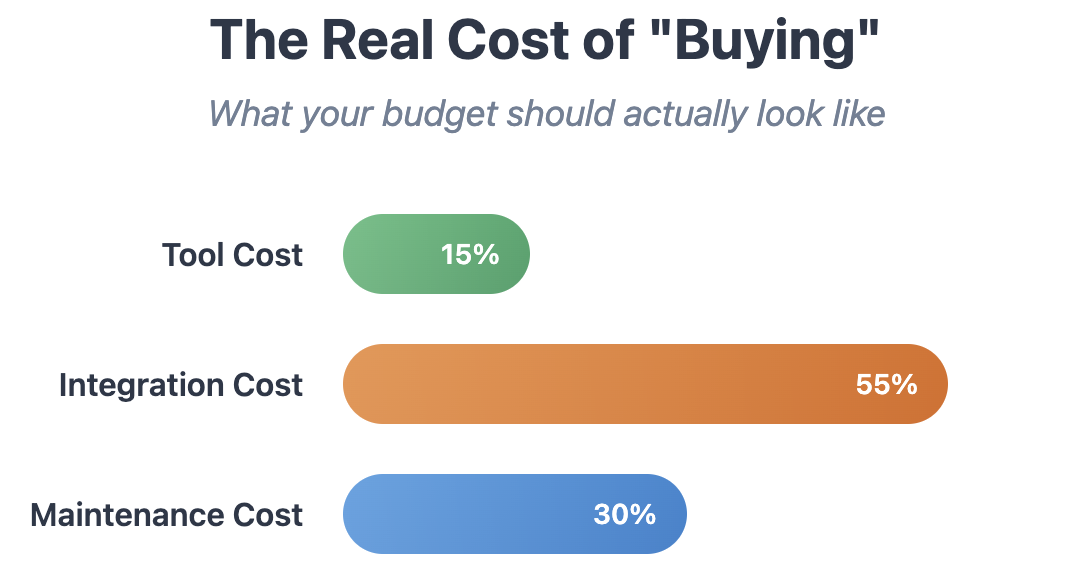
The hidden costs of building vs buying in biotech

Not enough code review and you risk irreproducible science, too much and you kill discovery momentum.

How do you balance code aesthetics with performance in your bioinformatics workflows?

Great science happens when technical infrastructure meets scientific curiosity

Somehow, this fundamental practice gets lost when we move to computational biology
No posts match your search.
Have content you want to submit? Contact communications@boston-wib.org and fill out our Google Form.