· Dana Moochnick · Quick Take ·11 min read
The Night Bioinformatics Lit Up Boston
A reflection on the BWIB x BCBB Lightning Talks, sponsored by Seqera and hosted at the Cambridge Innovation Center.
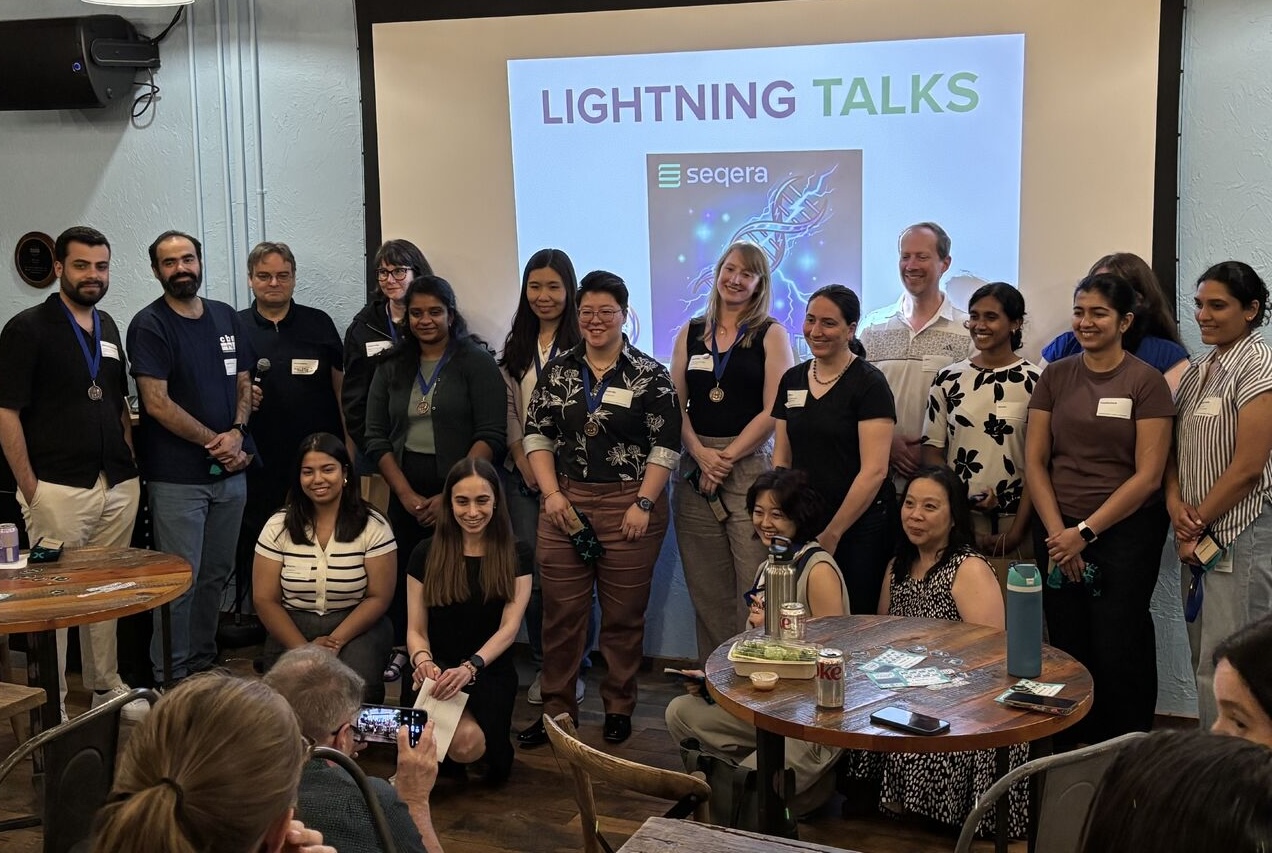
Speakers and organizers of the BWIB x BCBB Lightning Talks 2026, sponsored by Seqera.
A night built for curiosity
In case you missed it, the Boston Women in Bioinformatics and Boston Computational Biology and Bioinformatics teamed up for an evening of community-driven Lightning Talks at the Cambridge Innovation Center. The night, made possible by our sponsor, Seqera, who, true to form, brought their signature vibes of innovation and community. As a blogger for Boston Women in Bioinformatics, I was especially excited to see this community in person.
From immune memory to aging biology
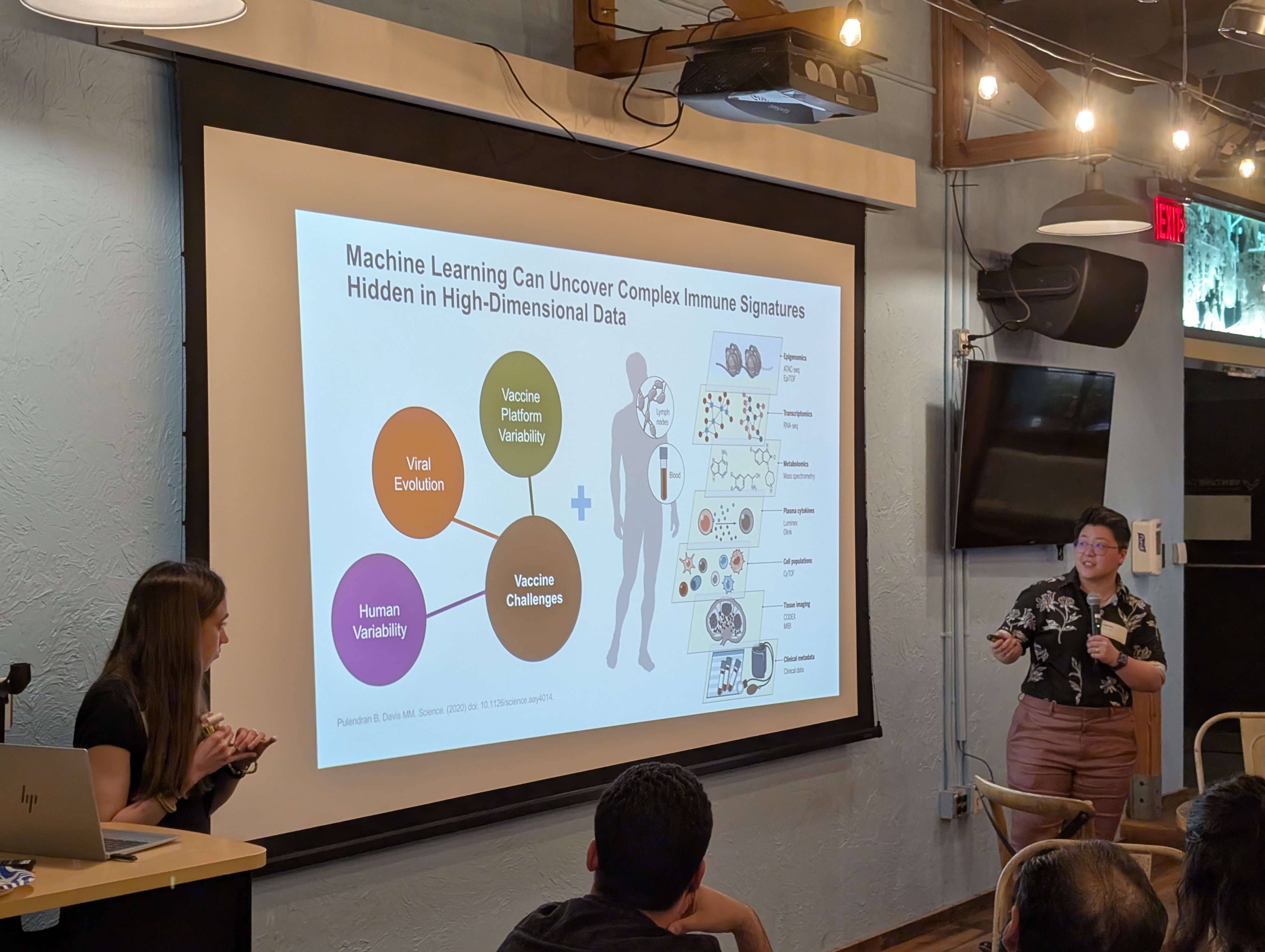 Stephanie Hao delivering lightning talk on “How Can We Make More Effective Vaccines?”
- Stephanie Hao introduced the audience to systems vaccinology. With transcriptomic data from yellow fever, influenza, and hepatitis B vaccine cohorts, her work used machine learning to look for immune programs connected to durable antibody responses. What made the talk exciting was the balance between shared immune patterns and pathogen-specific signals. It showed how computational biology can help ask a very human question: why do some immune responses last longer than others?
- Peiyu Yu moved the room into a different kind of biomedical uncertainty: dementia diagnostic reversion in the All of Us Research Program. Dementia diagnoses can sound final, but the data told a more complicated story. Reversions were common and rapid, and a prior record of mild cognitive impairment stood out as the strongest predictor of diagnostic instability. The talk was a strong reminder that labels in health data are never just labels. They carry timing, uncertainty, clinical context, and consequences.
- Preshita Dave then connected transcriptional data to aging and drug discovery. Her framework identifies potential gero-protective drugs by measuring how drug perturbation-induced expression changes relate to age-associated expression patterns across tissues. The idea was practical and ambitious at the same time: use gene set enrichment analysis to prioritize drugs that might push biology away from age-linked expression programs.
The language of cells, viruses, and disease
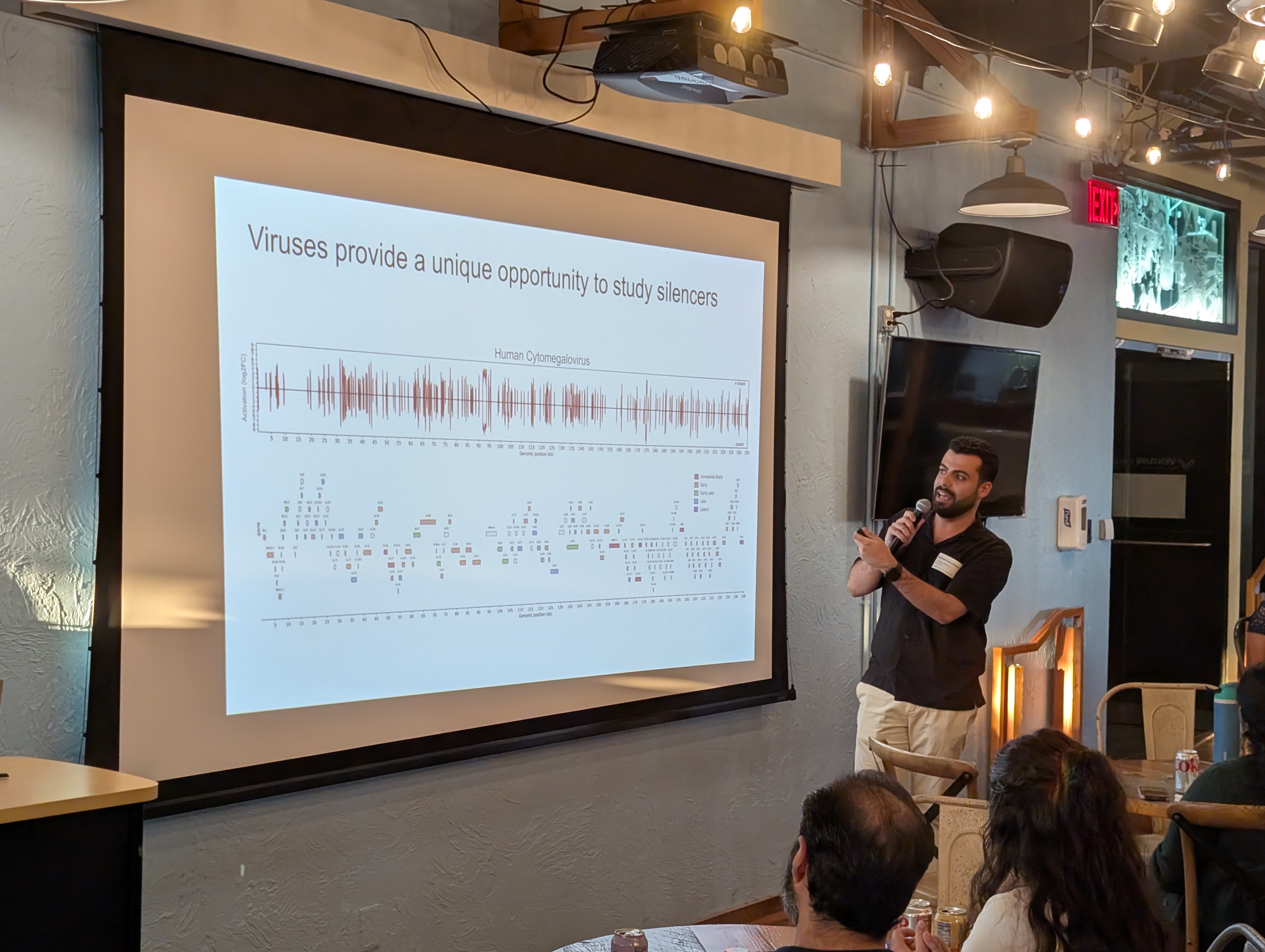 Mohamed Yousry ElSadec shares his work on “Systematic Identification and Mechanistic Modeling of Transcriptional Silencers Across Viral Genomes”
- Mohamed Yousry ElSadec challenged a habit many of us carry into gene regulation: thinking first about activation. His talk used viruses to show the importance of repression, mapping viral transcriptional silencers and showing how compact genomes use repressive logic to control timing, latency, and context dependence. In five minutes, he made repression feel like an active strategy rather than a background mechanism.
- Irzam Sarfraz showed how much can be hidden when epithelial cells are grouped too broadly. By resolving epithelial cell types into finer states, his work revealed smoking and associated shifts with Chronic Obstructive Pulmonary Disease (COPD). In smokers with COPD, basal cells showed increased keratin, rigid structural proteins, compared to normal tissue. Similarly, goblet cells, which like basal cells are found in epithelial tissue, also illustrated a distinct pattern of shifting away from a protective state. The talk captured one of the strengths of single-cell work: sometimes the important biology appears only when the categories become more precise.
- Shruthi Rengarajan highlighted a long-standing blind spot in genome-wide studies: the Y chromosome. Her work tested the essentiality of eight Y genes and identified more than 80 cell lines that require them. The finding that DDX3Y is required in many cancers pointed to a possible dependency in male tumors and made the case that excluded genomic regions can hold meaningful biology.
Cancer, clones, and single-cell signals
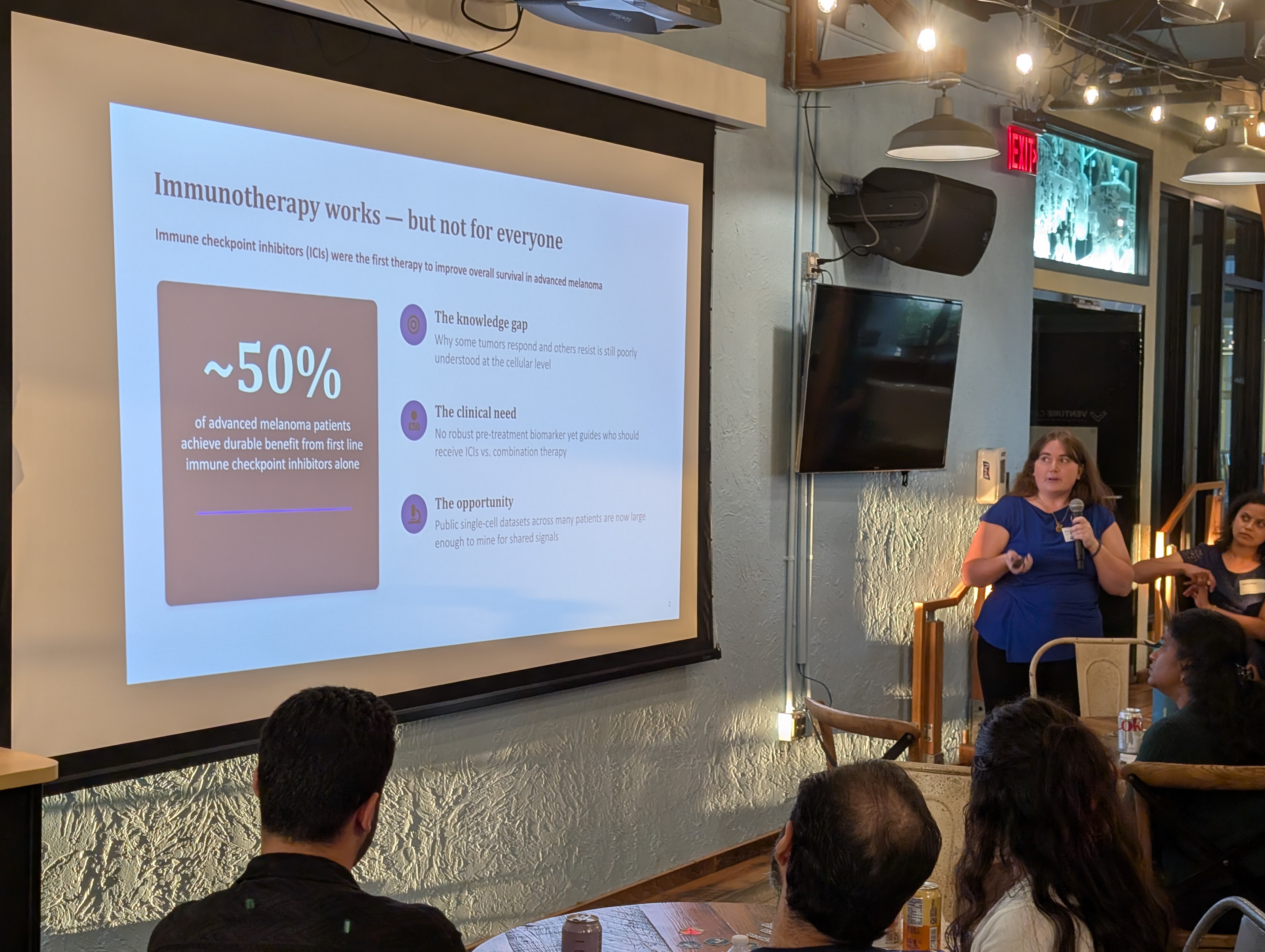 Anna McNiff walks the audience through the critical clinical needs and computational challenges of her work in her talk, “Single-Cell Transcriptomic Signatures of Response to Immune Checkpoint Blockade in Melanoma”
- Several talks showed how single-cell and genomic tools are changing the way researchers study cancer. Anna McNiff discussed immune checkpoint inhibitors in melanoma, where outcomes have improved but patient response remains uneven. Her study used publicly available single-cell data to identify transcriptomic signatures linked to therapeutic response, a question that sits right at the intersection of data reuse, immunology, and precision medicine.
- Shreya Das focused on somatic mitochondrial DNA variants as a way to track clones without genetic engineering. She discussed how ReDeeM and mgatk can call variants at single-cell resolution to reconstruct tumor evolution, while Numbat integrates copy number inference to reveal clonal dynamics in AML progression, resistance, and relapse. The talk made clonal tracking feel both technically clever and biologically urgent.
- Sophia Cheng asked the kind of question: what if the cells we discard as low-quality are trying to tell us something? Reanalyzing cells usually treated as noise and she found three potential biological signals and built a classifier with 94.5 percent sensitivity to ER+ tumors. It was a great example of how a quality-control assumption can become a scientific hypothesis.
- Ruoqiao Wang added a modeling perspective with a graph attention network framework that integrates gene regulatory networks with scFoundation. The goal was to model disease-specific regulatory modulation while learning attention weights on known gene interactions. What stood out was the emphasis on interpretability. The model was not only trying to predict altered signals, it was also trying to preserve biological meaning.
The tools behind trustworthy science
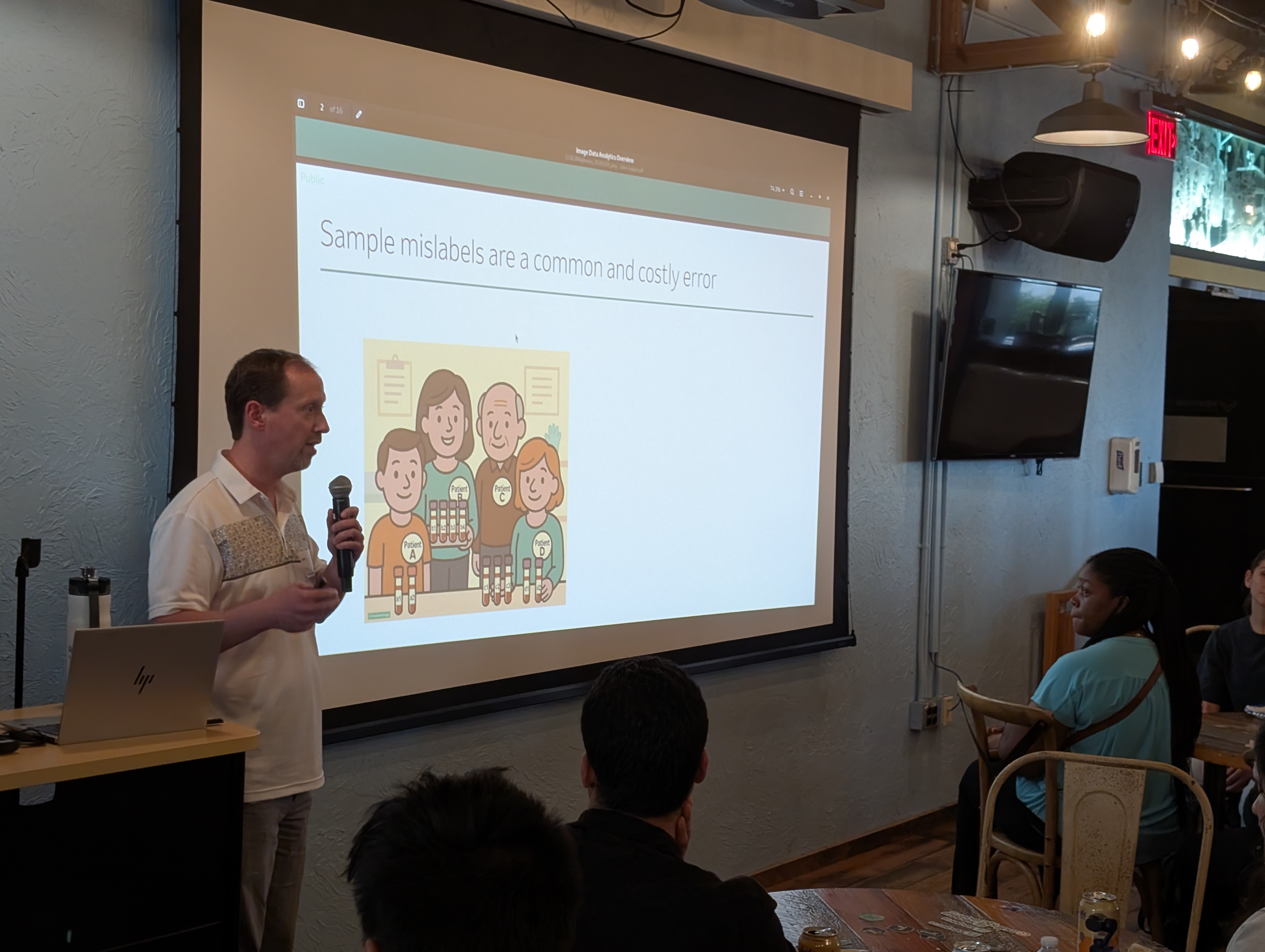 John Gaspar’s presentation titled “Detecting Sample Mislabels in NGS datasets” highlights the critical (and often chaotic) reality of sample tracking during his presentation, just moments before showing the crowd what happens when those labels go wrong.
- Some of the most memorable talks focused on the practical problems that decide whether computational science can be trusted, reused, and understood six months later. Katie D’Aco compared two tools for calling copy number variation from single-cell RNA-seq. She did not develop either tool, but that made the talk even more useful. It was an honest comparison of methods, user-friendliness, and performance, and both tools performed better than she expected.
- John Gaspar addressed sample mislabeling in NGS data, a problem that can quietly damage entire analyses. Existing tools can be limited by input formatting and threshold choices, so his pipeline detects mislabels using variant concordance, clustering, and tree traversal without relying on arbitrary thresholds. It was the kind of talk that made data integrity feel exciting because the solution was careful, practical, and needed.
- Jess Smith gave one of the most relatable technical talks of the night. Her message was simple: hidden Jupyter notebook execution state can mislead both humans and AI agents reading a repository. Her solution was to use plain Python files with
# %%cells, pin git SHA and metrics per run, and maintain a LOG.md file as shared experiment context. For anyone who has opened an old notebook and wondered what actually created the result, this talk landed immediately. - Lauren Fitch brought attention to the invisible infrastructure of science with “Nebraska packages,” open-source software packages that are highly central in research networks but receive low visibility in articles. Her talk proposed better ways to recognize the developers of these crucial resources. It was a refreshing reminder that science depends not only on discoveries, but also on the people who build and maintain the tools everyone uses.
Genomes, references, and the people behind the data
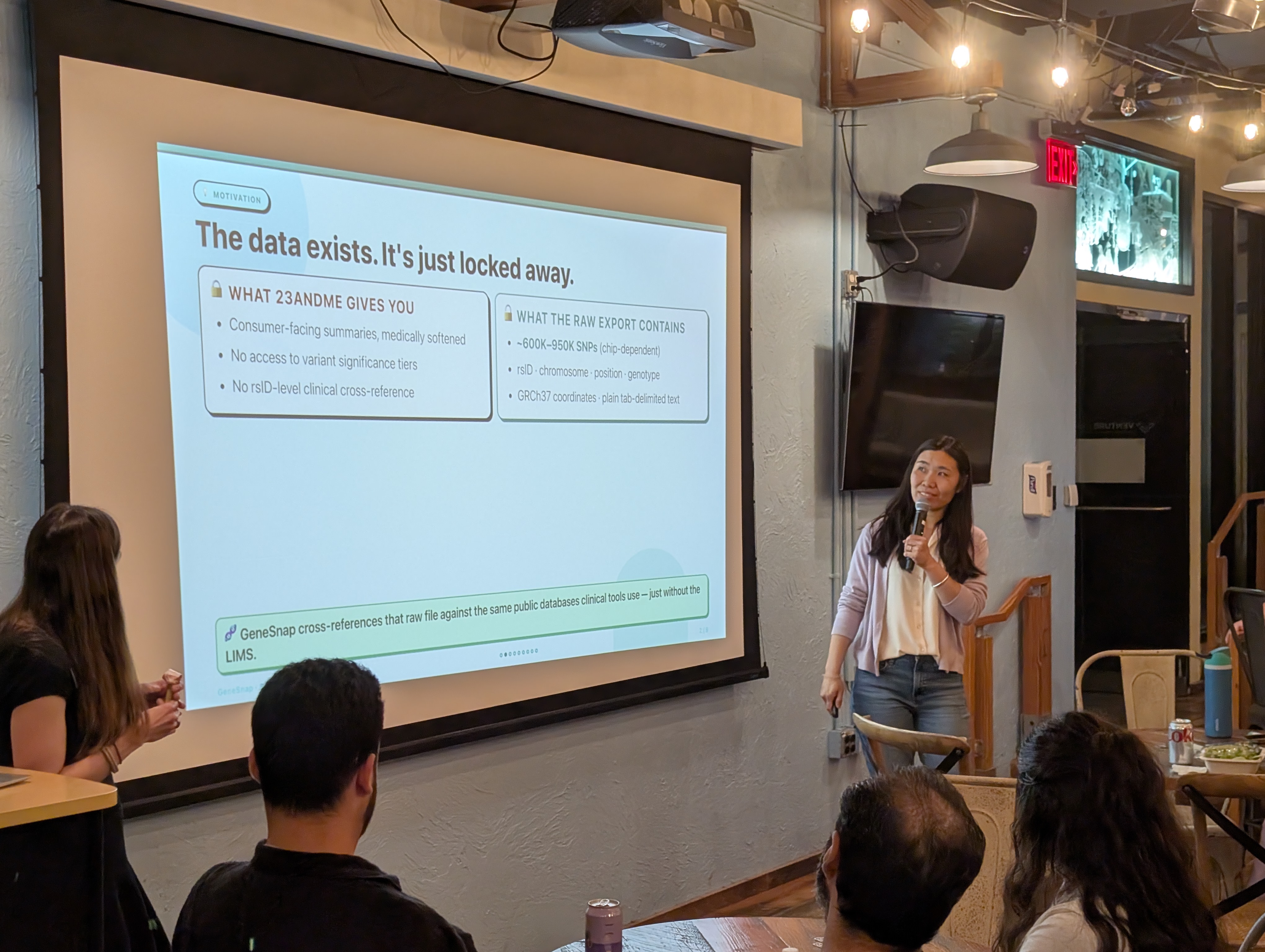 Sen Yao introduces GeneSnap, a local tool she built for bioinformaticians to bypass platform restrictions and rapidly cross-reference raw consumer genotyping data against ClinVar, GWAS Catalog, and PharmGKB. Learn more or try the live tool at www.genesnap.net.
- Sen Yao spoke about consumer genomics, where services such as 23andMe can generate hundreds of thousands of SNPs per person. The challenge is not collecting variants. The challenge is deciding which ones matter across health risks, pharmacogenomics, and traits by connecting raw genotype data to resources such as ClinVar, dbSNP, and published literature. The talk showed how interpretation is often the most difficult step between data and usefulness.
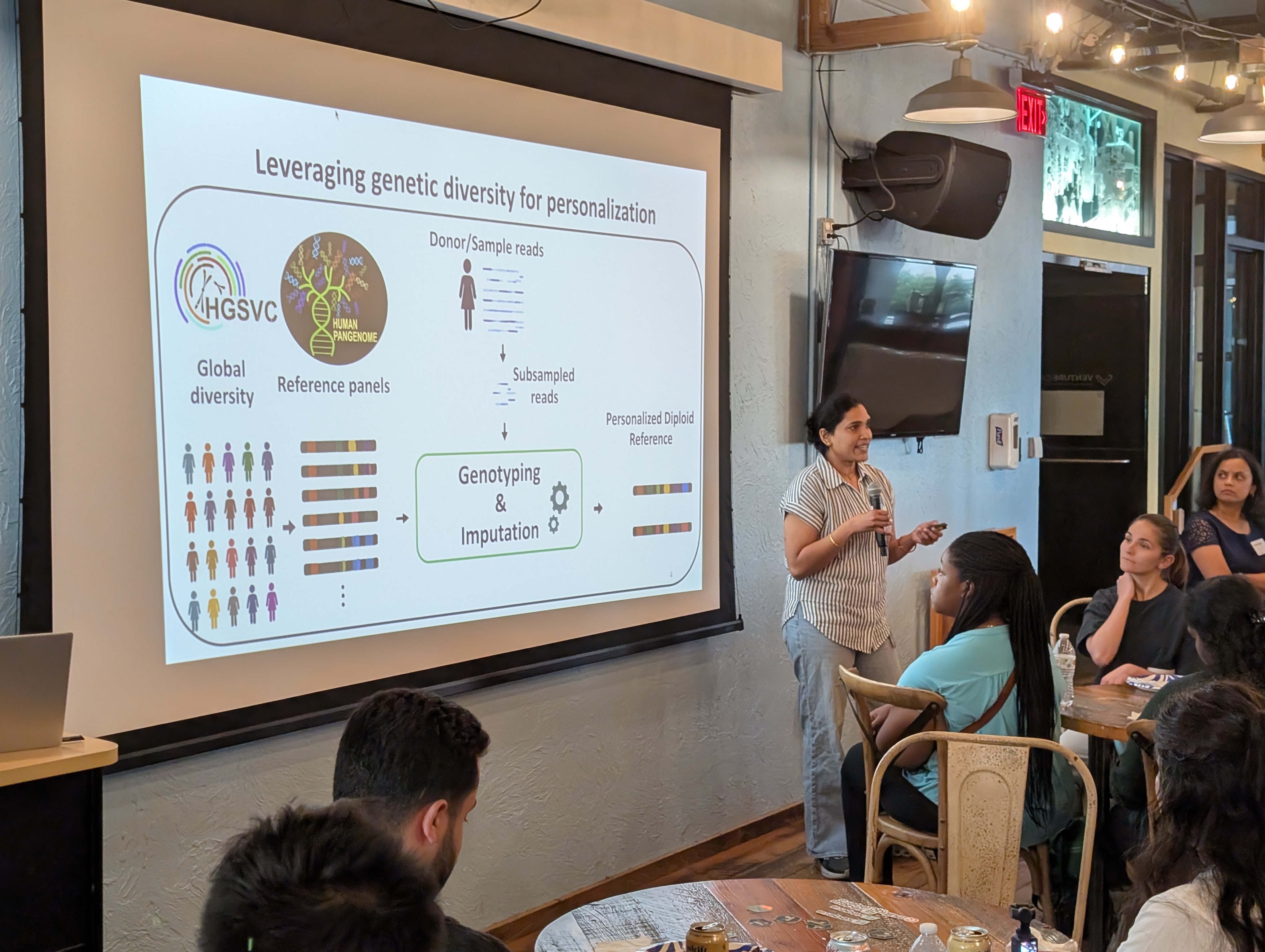 Kavya Vaddadi presenting her talk, “Minimizing reference bias with an imputed personalized reference,” where she maps out how building personalized diploid references can significantly improve our understanding of genomic variants.
- Kavya Vaddadi closed another loop in genomics by questioning why everyone’s DNA is aligned to the same reference genome when no two genomes are identical. Her approach builds personalized diploid references from short-read sequencing data to reduce reference bias and improve downstream variant calling accuracy. It was a clear reminder that the reference is not neutral. It shapes what we can see.
- Rithika Lakshminarayanan expanded the room’s view of computational biology into sleep, sensing, and AI. Measuring sleep disruptions in place, without waking people or changing their sleep, is challenging. Her work explores ways to capture environmental context and help people better recall possible causes of sleep disruptions. It brought the evening back to the human side of data: better measurement can help people understand their own lived patterns.
Why the Lightning Talk format worked
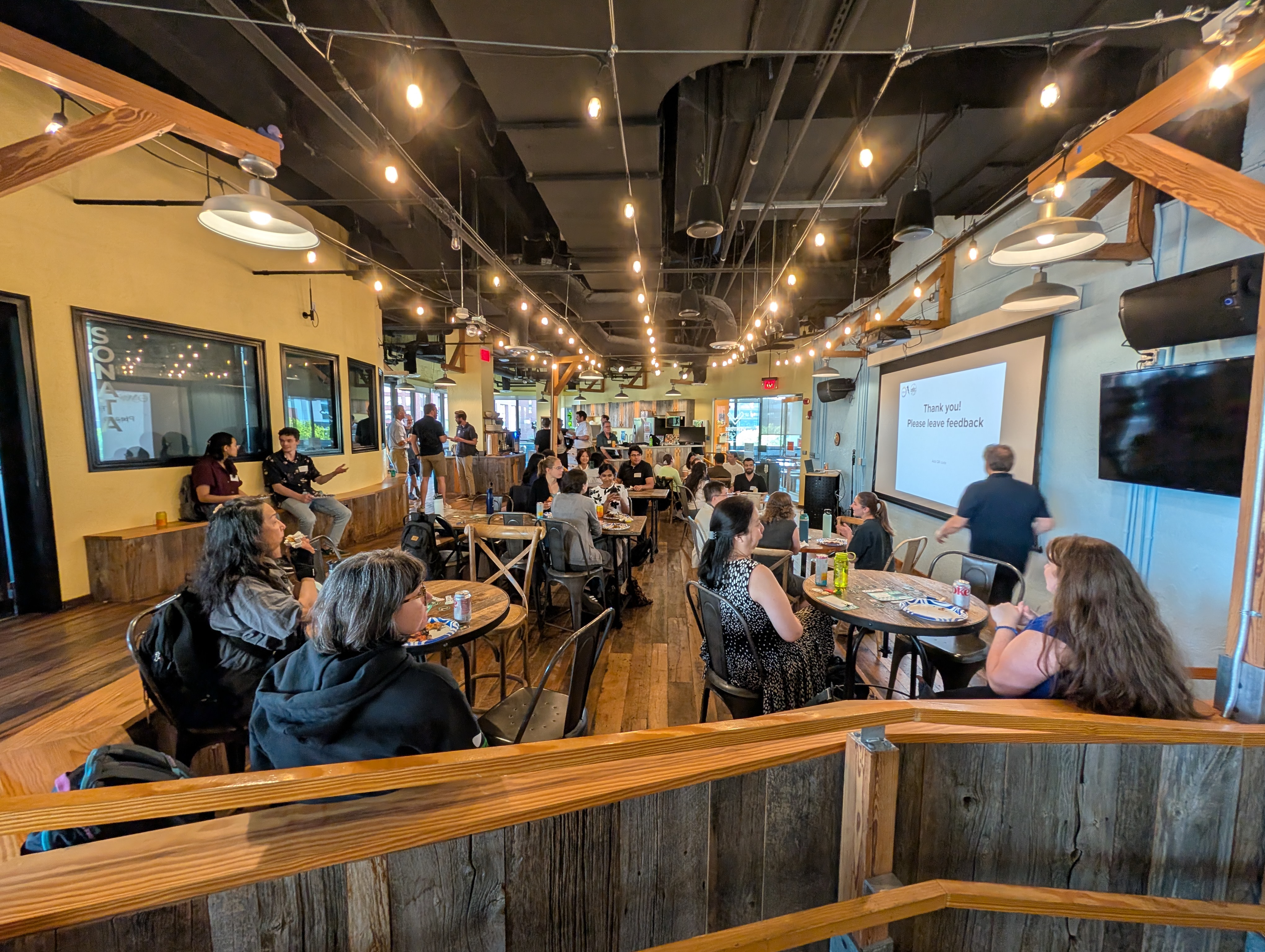 A packed house at the CIC! The energy in the room was electric as the crowd gathered, eagerly waiting for the next lightning talk to begin.
The five-minute format could have felt limiting, but instead it made the event feel alive. Speakers had to choose the core of their story: the problem, the method, the surprise, and the reason the audience should care. That structure made technical ideas more accessible without making them feel simplified.
It also created a generous atmosphere. No one needed to be an expert in every area to learn something. A person who came for single-cell analysis could still leave thinking about dementia labels, Y chromosome biology, code reproducibility, or sleep sensing. A person who came for community could leave with a reading list of tools, datasets, and open questions.
The event also showed why local scientific communities matter. BWIB and BCBB created space for people to practice speaking, share work in progress, compare tools, explain new methods, and celebrate technical details that might otherwise stay inside a lab meeting or GitHub repository. That kind of space helps people grow as scientists and as communicators.
Seqera’s support, along with the work of the organizers and team members including Geraldine Van der Auwera and Chris Deschenes, helped make the evening feel both polished and welcoming. CIC was the right setting for it: close enough to the heart of the Boston and Cambridge biotech community to feel connected to the work happening all around the city.
Leaving energized
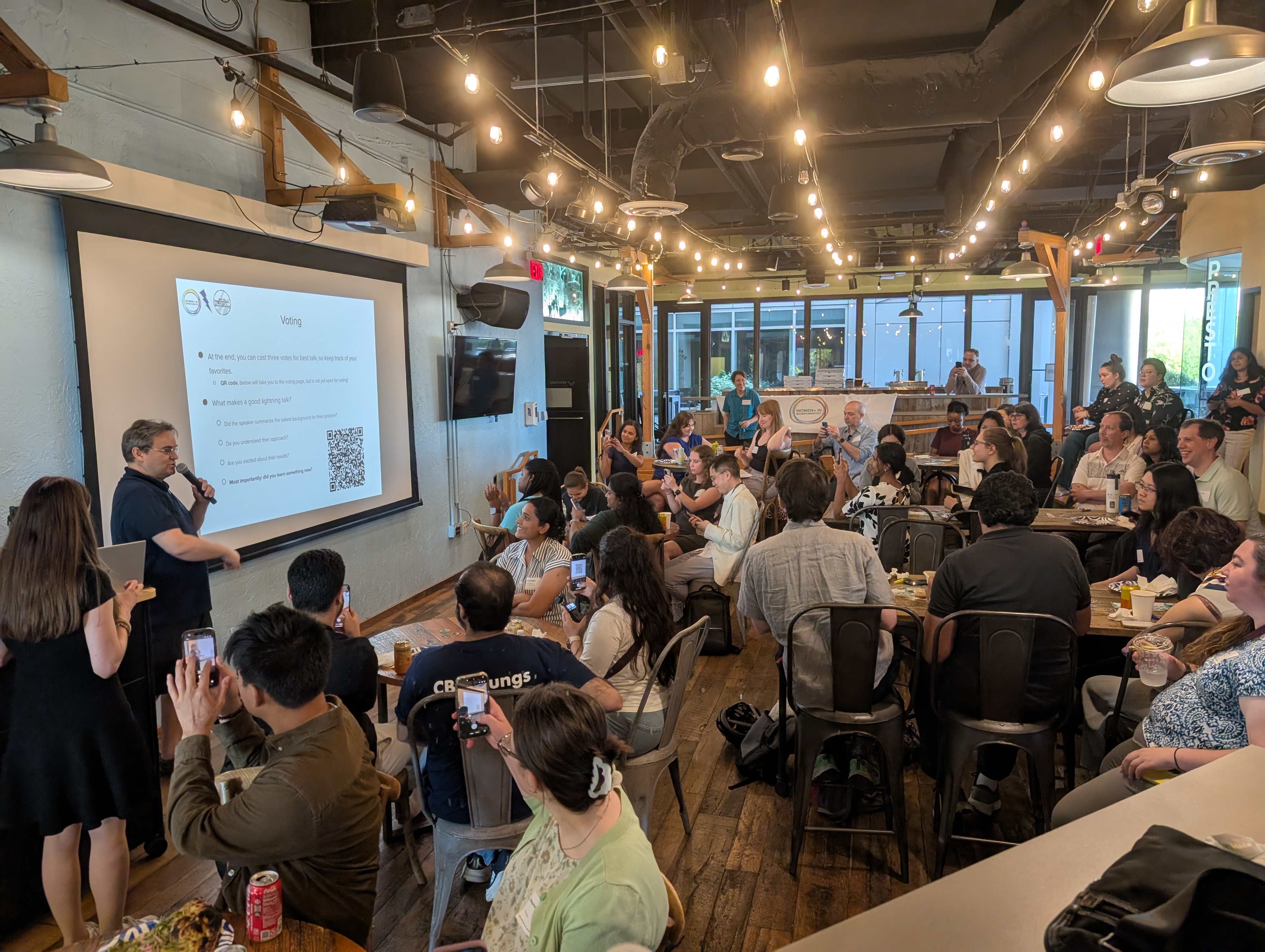 Alex Lancaster, one of the event organizers, breaks down the voting process before the timer starts. Every vote counts when the competition is this sharp!
I left the event feeling genuinely excited about the range of questions people are asking in bioinformatics right now. The talks were not connected by one disease, one tool, or one method. They were connected by a shared instinct to make biological data more useful, more honest, more reproducible, and more connected to real scientific questions.
That is what made the night motivating. In a single room, the field felt huge, but also approachable. Every speaker offered a small piece of a much larger picture: better vaccines, clearer diagnoses, smarter aging research, deeper cancer biology, stronger pipelines, fairer software recognition, more accurate genomes, and more human-centered data.
For me, the BWIB x BCBB Lightning Talks were a reminder that bioinformatics is not a narrow lane. It is a meeting place for biology, computation, medicine, engineering, software, and community. And on June 29, that meeting place felt full of momentum.